HUB 05 · Guides & Buying Advice
NACS vs J1772: The EV Connector Standards, Explained
The former Tesla plug is becoming the industry default, but J1772 still owns the driveways. Here is how the two fit together.
We earn a commission when you buy through our Amazon links, at no extra cost to you. It never affects our rankings, and we say so when the cheaper product is the better buy. How this works.
Here is the whole story in one breath: the plug once unique to Tesla is being standardized as NACS (officially SAE J3400) and is becoming the industry default, while the older J1772 connector is what nearly every non-Tesla home and public charger already has. During the overlap, an adapter bridges whichever gap you land on. Know which plug is on your car and which is on your charger, and the rest follows.
Connectors are the single most confusing thing in EV charging right now, and it is because the market is mid-transition. Automakers spent years split across standards, and now most of them are converging on one. That is good news long term and a headache today, because the car in your driveway and the charger on your wall may not have been born speaking the same language.
What each connector is
For AC charging — the Level 1 and Level 2 charging you do at home — there are two plugs that matter in North America:
- J1772(sometimes called "J-plug") is the long-standing AC charging standard used by essentially every non-Tesla EV sold in North America for over a decade. If you own a Chevy, Ford, Hyundai, Nissan, VW, or nearly any other brand from the 2010s or early 2020s, your AC charge port is J1772.
- NACS (North American Charging Standard), now standardized as SAE J3400, is the connector Tesla used for years and has since opened up to the wider industry. It is more compact than J1772 and handles both AC and DC charging in a single plug.
You will also hear about CCS (Combined Charging System). CCS is a DC fast-charging connector: it takes the J1772 shape and adds two large DC pins below it, so a CCS car uses the top J1772 portion for home AC charging and the full connector for DC fast charging. As the industry moves to NACS/J3400 for fast charging too, CCS is the standard being phased down.
Why NACS is becoming the default
The tipping point was the automakers. Hyundai, Kia, and Genesis began shipping vehicles with built-in NACS ports from 2025 — models like the Ioniq 5 and EV6 — and Ford, GM, BMW and Mini, Rivian, and Mercedes have all committed to adding built-in NACS ports through 2025 as well. When that many manufacturers pick the same plug, it becomes the default by gravity. Consumer Reports has tracked this shift as Tesla's Supercharger network opened to other brands and NACS moved from a single-company connector to an industry standard.
But "the future default" and "what exists today" are two different things. The installed base of home and public charging equipment is still overwhelmingly J1772 on the AC side. Millions of home chargers, workplace units, and public stations were built around J1772, and they are not going anywhere soon. So for years to come you will have NACS cars meeting J1772 chargers, and J1772 cars meeting NACS chargers. That mismatch is exactly what adapters exist to solve.
Which car has which plug
You do not need to memorize a chart; you need to check your own car and your own charger. A rough guide:
| Your situation | Charge port | What bridges the gap |
|---|---|---|
| Older/current non-Tesla EV (Chevy, Ford, Hyundai, VW, etc.) | J1772 (AC), often CCS for DC | NACS-to-J1772 adapter to use a NACS charger or cable |
| Tesla, or a 2025+ car with a built-in NACS port | NACS / J3400 | J1772-to-Tesla (NACS) adapter to use a J1772 charger |
| Home charger with a J1772 cable, charging a NACS car | Charger is J1772 | J1772-to-NACS adapter on the connector |
Why adapters exist (and why the direction matters)
An adapter is a short passive coupler that lets a plug of one shape mate with a port of the other. There are two directions, and confusing them is the most common mistake:
- A NACS-to-J1772 adapter lets a car with a J1772 port draw from a NACS charger or cable. See the shortlist at best NACS-to-J1772 adapters.
- A J1772-to-Tesla (NACS) adapter lets a Tesla or other NACS-port car draw from a common J1772 home or public charger. That shortlist is at best J1772-to-Tesla adapters.
The full picture, including which direction fits your exact setup and what safety listing to look for, is on the adapters hub. Because an adapter carries the full charging current, the listing on it is not a detail to skip — a coupler that gets warm under load is a coupler you do not want.
Buy for the port on your car, not the badge on your charger.The question is always "what shape is my car's charge port, and what shape is the plug I am trying to use?" Name those two and the adapter you need is obvious.
How to figure out what you need in two minutes
You can settle this without any research into standards politics. Just answer three questions.
1. What plug is on your car?
Open your charge port and look, or check the manual. A wider connector with two flat-topped pins and a rounded body is J1772. A slimmer, mostly round connector is NACS. Tesla vehicles and most 2025-and-later models from the brands adopting the standard are NACS.
2. What plug is on the charger you want to use?
Home chargers you buy today usually come with a J1772 cable, because that still fits the widest range of cars. Tesla wall units and Superchargers use NACS. Note the mismatch, if any. If you are still buying the charger, you can now close the gap at the source: several mainstream wall units ship with a factory NACS cable, and we rank them in the best NACS home chargers roundup.
3. Adapt in the direction that closes the gap
If your car is J1772 and the plug is NACS, you need a NACS-to-J1772 adapter. If your car is NACS and the plug is J1772, you need a J1772-to-Tesla adapter. Confirm the adapter is rated for the current your setup runs at, and prefer one with a stated safety listing. The adapters hub lays out both directions with the listings called out.
One warning that matters: adapters are for like-for-like AC or DC connectors within North American standards. Do not use an adapter to force a connector onto a port it was never meant for, and never leave a warm or damaged adapter in service. It carries your full charging current.
The gear
Recommended gear for this guide
The products this guide refers to, with prices pulled live from Amazon and dated on each card.
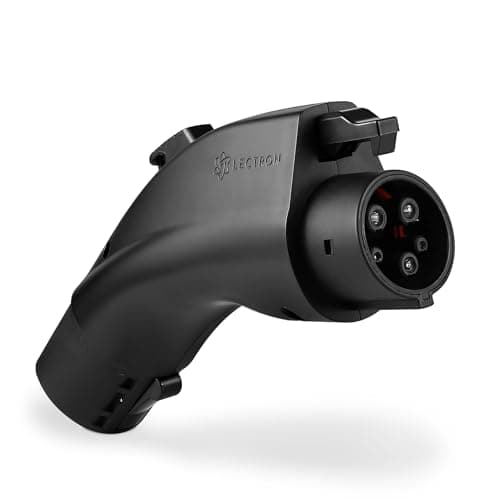
A J1772 car using NACS chargers
Lectron NACS → J1772 Adapter
The default adapter for a J1772 car to use a Tesla-style (NACS) home or destination charger — rated for the full 48 amps.
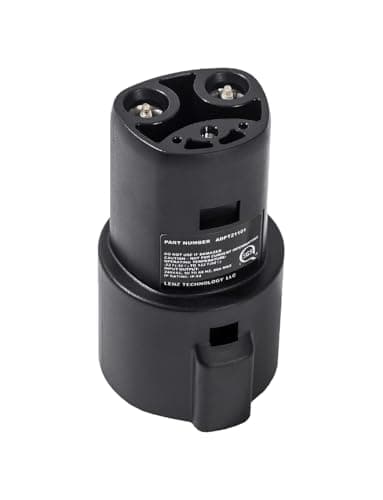
A Tesla / NACS car using J1772 chargers
LENZ J1772 → NACS Adapter
A UL-2251-certified J1772-to-NACS adapter — the one a Tesla or a 2026+ NACS-port EV needs to use the huge installed base of J1772 chargers.
#ad · As an Amazon Associate we earn from qualifying purchases.
Questions
Frequently asked
Is NACS the same as the Tesla plug?
Will J1772 chargers stop working?
Do I need an adapter if I buy a new EV in 2026?
What is the difference between NACS and CCS?
Are charging adapters safe to leave plugged in?
Keep reading
Related
- EV Charging AdaptersBoth directions of the NACS/J1772 divide, with safety listings explained.
- Best NACS-to-J1772 AdaptersFor a J1772 car that needs to use a NACS charger or cable.
- Best J1772-to-Tesla AdaptersFor a Tesla or NACS-port car using a common J1772 charger.
- Best NACS Home ChargersWall units with a factory Tesla-style plug, so no adapter is needed at home.
- Types of EV ChargersLevel 1 vs 2 vs 3 and the AC/DC difference, explained.
- How to Charge a Tesla at HomeNative NACS charger vs J1772-plus-adapter, compared.
- CCS vs NACSThe DC fast-charging version of the connector question.
- Which Adapter Do I Need?Turn the connector answer into the right adapter.
- The J1772 Connector ExplainedA deeper look at the J-plug and how it relates to CCS.
- Is CHAdeMO Dead?The third connector, and why it is fading in North America.
- Charging Gifts for a Tesla OwnerBuying for a NACS-port driver — the adapter direction, applied.
Receipts
Sources
- Consumer Reports — Tesla Superchargers and NACS adoption
- US DOE AFDC — EV charging infrastructure & connectors
We do not run a testing lab, and we do not pretend to. Where a measured number came from someone else's lab, we name them and link them. Where we could not verify something, we say so on the page rather than quietly leaving it out. Read our full method.