Independent · Amazon-funded · No testing lab
Home EV chargers with live prices and the real cost to charge.
Live prices, a published scoring rubric, and the math nobody else shows — what a charge actually costs, what breaker a 40-amp charger needs, and which connector your next car will use. When the cheaper charger is the smarter buy, we say so.
- 165
- Products with live prices
- October 16, 2026
- Prices last verified
- 48h
- Then a stale price disappears
- 0
- Chargers we claim to have bench-tested
The picks
The category winners
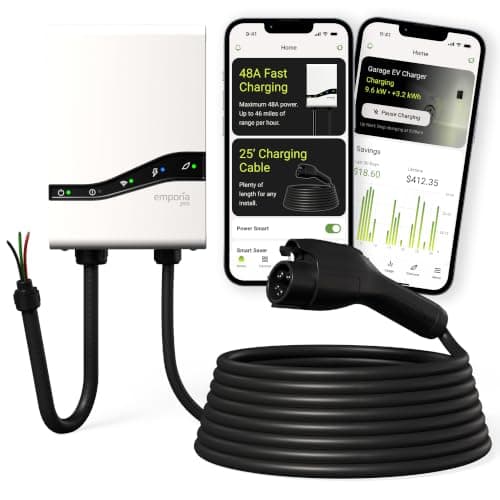
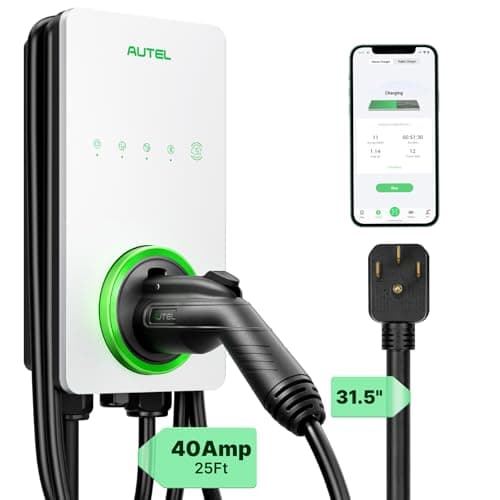
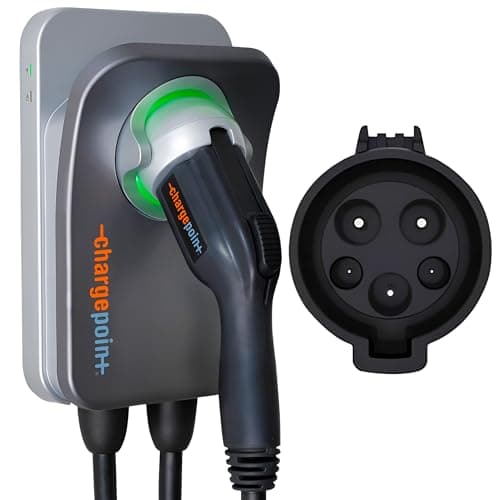
The one product that took the top spot in each of our roundups. Open a tile to see why it won — the full comparison, the score breakdown, and the live price.
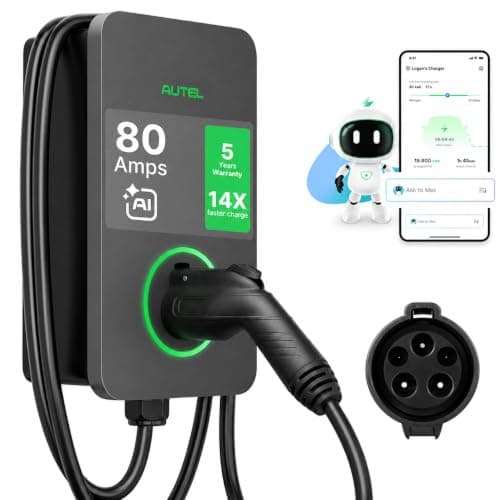
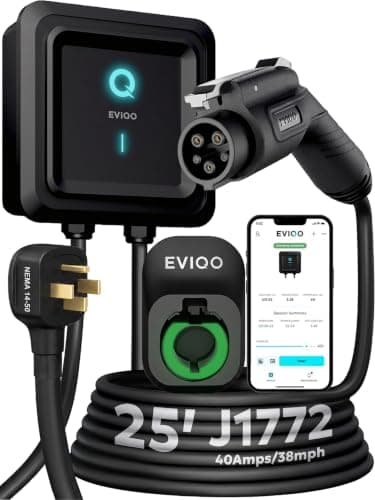
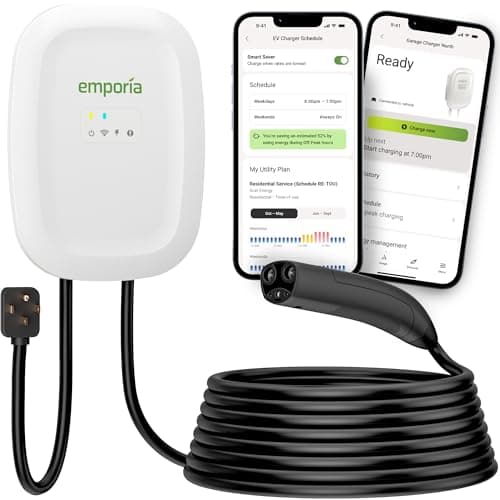
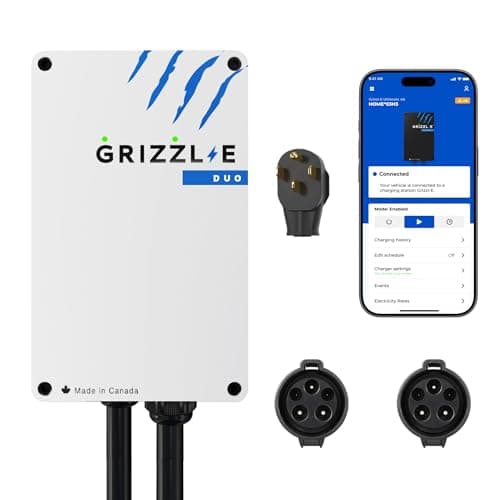
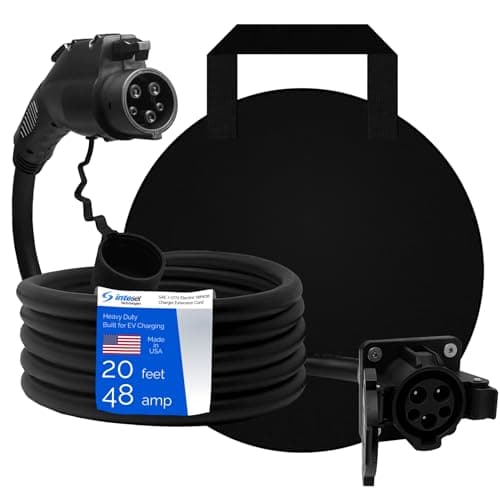
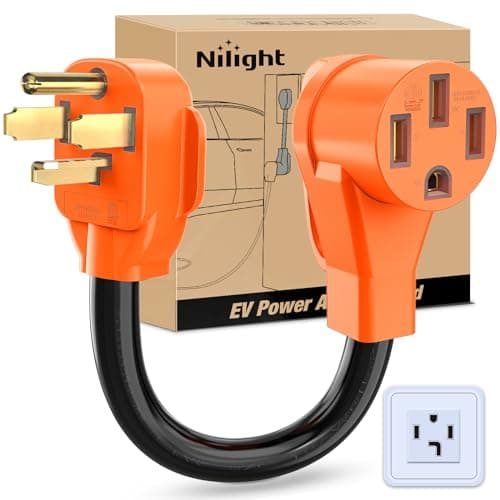
Where to start
What we cover
Four product categories and a library of guides — from the wall charger to the outlet it plugs into, plus the questions to answer before you buy.
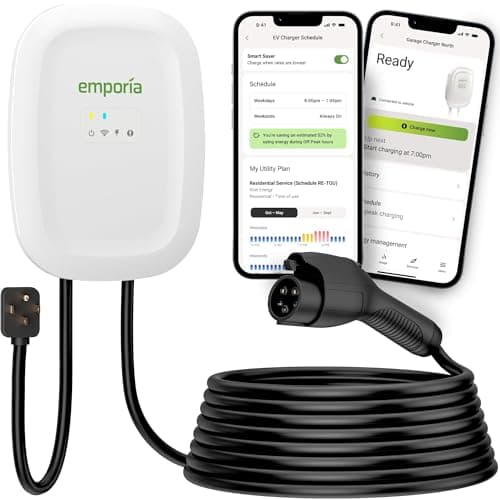
HUB 01
Level 2 Home Chargers
240-volt home charging that adds real range overnight — ranked on the specs that matter, priced live, and honest about which one you can skip.
Explore →
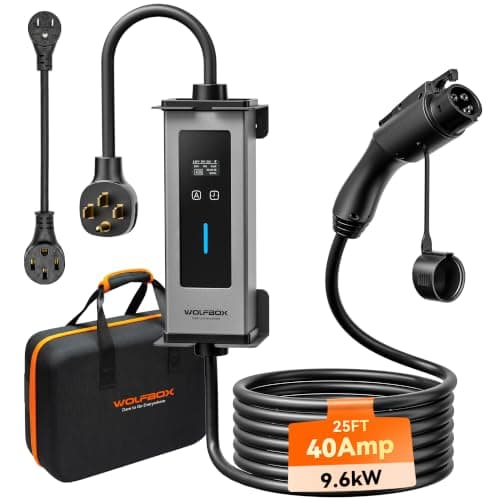
HUB 02
Portable & Travel Chargers
A plug-in EVSE you can throw in the trunk. The category the incumbents ignore — and often the smarter buy than a wall unit.
Explore →

HUB 03
Adapters & Connectors
The small parts that let your car charge across the NACS/J1772 divide — chosen for the safety listing, not just the price.
Explore →
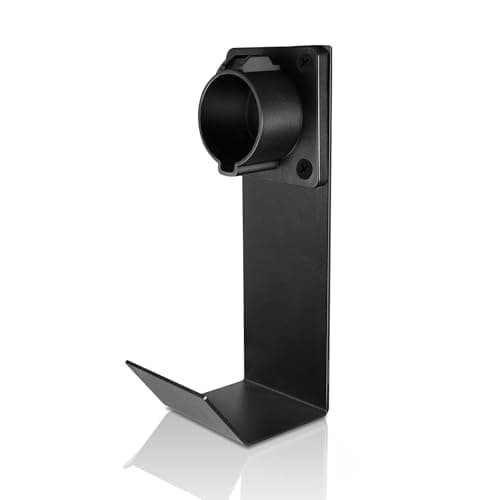
HUB 04
Cable Management & Accessories
Holsters, hooks, wall mounts and the outlet a plug-in charger needs — the cheap parts that finish the job properly.
Explore →

HUB 05
Guides & Buying Advice
The pre-purchase questions answered with math and citations — cost to charge, wire size, connector standards and real install costs.
Explore →
Gifts & deals
Buying for someone else
Charging gear makes a genuinely good gift, and it is easy to get wrong if you do not know the category. These guides are written for the gifter: who each pick suits, what to check before you buy, and the one thing not to buy blind.
Black Friday & Cyber Monday
Black Friday & Cyber Monday EV Charger Deals 2026
The evergreen EV charging deals page: which product classes have genuinely discounted in past Black Fridays (with dates and sources), which never do, buy-now vs wait guidance, and live prices on our current top picks.
What discounts, what never does →
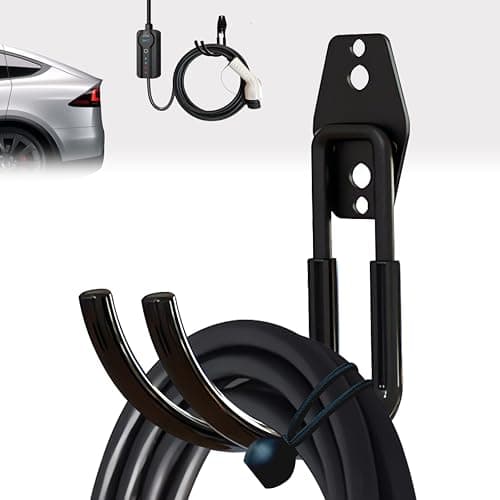
Gift guide
Best Gifts for a New EV Owner
A gift guide for the first-time EV owner: cable management, a proper backup cord, the outlet a real charger needs, and the portable charger that skips the install entirely. Live prices on every pick.
Read →
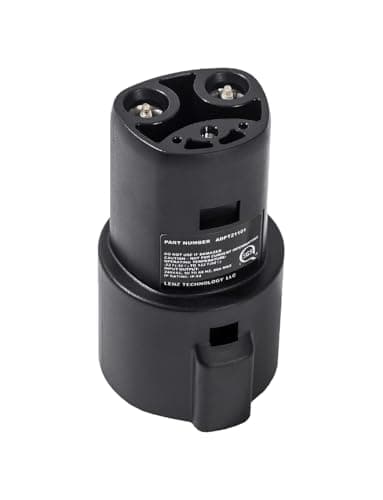
Gift guide
Best Charging Gifts for a Tesla Owner
Charging gifts for a Tesla or NACS-port owner: the adapter that unlocks the huge J1772 public network, dryer-outlet adapters for travel, extensions and a NACS portable charger. With the one direction mistake to avoid.
Read →
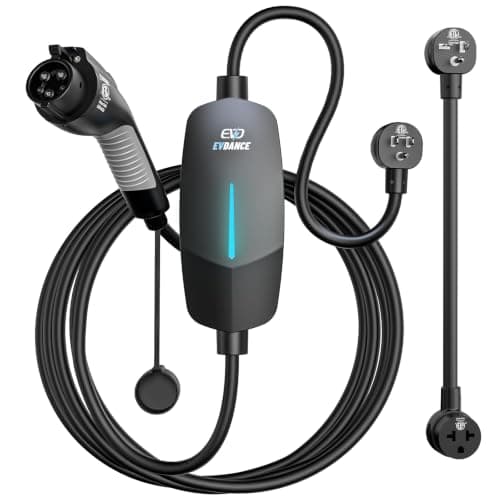
Gift guide
Best Gifts for an EV Owner Who Rents
Gift ideas for an EV owner who cannot install anything: portable Level 2 chargers, long dual-voltage cords, and the outlet adapters that make an existing socket useful. Nothing here needs permission.
Read →
Gift guide
Best Gifts for an EV Road-Tripper
A gift guide for the EV owner who actually drives places: connector adapters for other networks, outlet adapters for cabins and relatives' garages, and a portable charger for overnight stops.
Read →
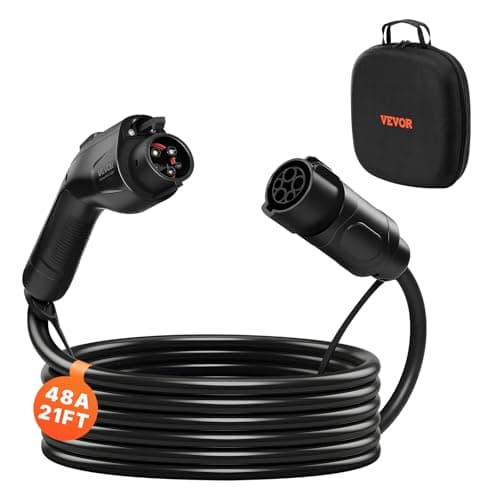
Gift guide
EV Charging Gifts Under $150
The $50-150 gift tier for EV owners: dual-voltage backup cords, UL-listed connector adapters and purpose-built extension cables. Live prices on every pick, checked against the ceiling.
Read →
Gift guide
Big-Budget Gifts for EV Owners
The no-budget-ceiling gift guide for EV owners: portable Level 2 chargers, long extensions, circuit-sharing hardware and when a wall charger is and is not a safe gift. Live prices throughout.
Read →
The difference
What we do that the others don't
Prices that are actually live
Every price comes from Amazon's API and is stamped with the date we checked it. If our data is more than 48 hours old, the number disappears and the button says "Check price" instead. It never shows you a stale figure — not one competitor in this category does that.
We do the cost math
Not one of the sites we surveyed publishes what it actually costs to charge at home — cents per kWh, cost per mile, EV versus gas. We do, with the assumptions shown, so you can reproduce the number for your own electricity rate.
We explain the breaker, not just the box
The amperage you can actually use is set by your electrical panel, not the charger's rating. We show the NEC continuous-load math, the wire gauge, and the real install cost — and tell you to confirm it with a licensed electrician.
We do not run a testing lab
And we won't write "in our testing" as though we do. We compile published specs from the manuals, verify the safety listings, do the arithmetic, and tell you plainly when we couldn't confirm something.
Read these first
The pages we'd point you to
Level 2 Home Chargers
The Best Home EV Chargers, Ranked
The flagship roundup: five Level 2 home chargers ranked on amperage, smart features, cable and build, with the breaker math that decides your real speed.
Read →
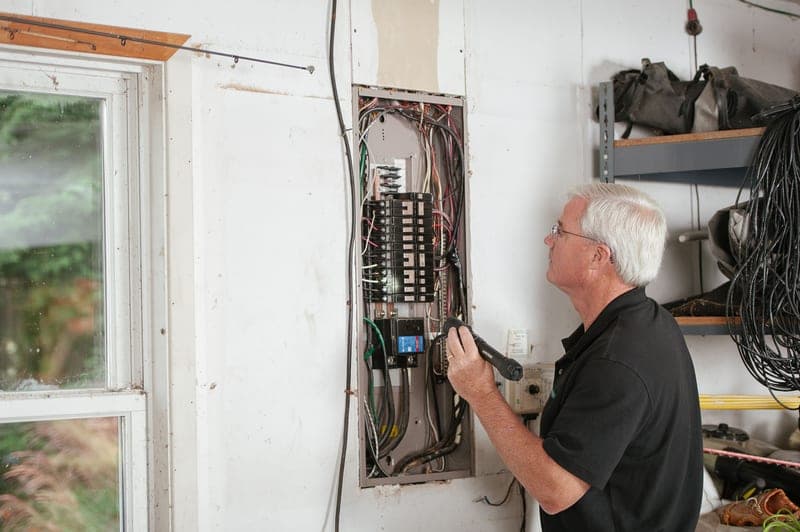
Guides & Buying Advice
How Much Does It Cost to Charge an EV at Home?
The full cost-to-charge math, with a worked table across three rates and a gas comparison you can adjust.
Read →
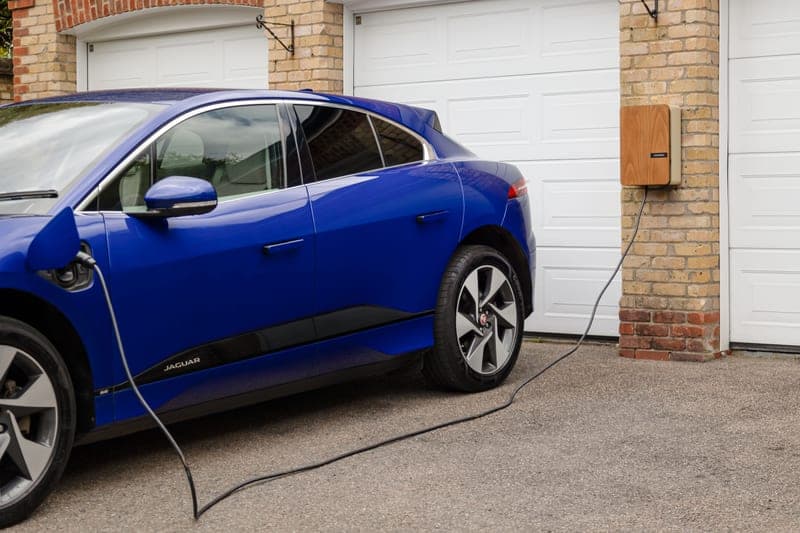
Guides & Buying Advice
NACS vs J1772: The EV Connector Standards, Explained
Why the old Tesla plug is becoming the J3400 standard, what J1772 still does, and which one your car needs.
Read →
Just published
Latest guides and reviews
The most recent work on the site. Every page is dated, and the full sitemap lists everything we've published.
- The Best EV Chargers With Load ManagementLevel 2 Home Chargers ·
- The Best EV Chargers for a Jeep 4xeLevel 2 Home Chargers ·
- The Best EV Chargers for a BMWLevel 2 Home Chargers ·
- The Best EV Chargers for a Solar HomeLevel 2 Home Chargers ·
- The EV Charger Tax Credit, as of 2026Guides & Buying Advice ·
- EV Charger vs 240V OutletGuides & Buying Advice ·
- What Is a CT Clamp on an EV Charger?Guides & Buying Advice ·
- What Is OCPP?Guides & Buying Advice ·
- EV Charger Not Connecting to Wi-FiGuides & Buying Advice ·
- Your EV Charger Breaker Is Hot. Is That Normal?Guides & Buying Advice ·
How this is funded
We earn a commission. Here's exactly how that works.
Volt & Cable is funded by the Amazon Associates program. When you buy through one of our links we earn a small commission, at no extra cost to you. No brand pays us for placement, no manufacturer sends us hardware, and no commission rate has ever changed a ranking — which is why you will find a cheaper charger ranked above a pricier one on this site whenever it is the better buy.