HUB 05 · Guides & Buying Advice
CCS vs NACS: The Fast-Charging Connectors Explained
The plug on the fast charger is changing. Here's what CCS and NACS are, which cars use each, and what an adapter actually bridges.
We earn a commission when you buy through our Amazon links, at no extra cost to you. It never affects our rankings, and we say so when the cheaper product is the better buy. How this works.
CCS and NACS are the two DC fast-charging connectors on North American EVs. CCS (Combined Charging System) has been the standard on most non-Tesla cars; NACS (the former Tesla plug, now standardized as SAE J3400) is becoming the industry default. Most of the market is mid-switch, which is why adapters exist — but a plug adapter only bridges what the car and the station already support.
This is the connector question one level up from NACS vs J1772. That guide is about AC charging plugs; this one is about the DC fast-charging plugs you meet on a road trip. The names overlap confusingly, so it is worth being precise.
What CCS is
CCS1(the North American version) is a J1772 AC inlet with two extra large DC pins bolted underneath — "combined" because one port handles both AC and DC. For years it was the DC standard on almost every non-Tesla EV: Ford, GM, Hyundai, Kia, VW, Rivian and more. The public DC networks — Electrify America, EVgo and others — were built out around it.
What NACS is
NACS (North American Charging Standard) is the slim Tesla-style connector, handling both AC and DC through a single compact plug. Tesla opened it up, the SAE standardized it as J3400, and one automaker after another signed on. From roughly 2025 onward, new EVs from many brands ship with a native NACS port and access to Tesla's Supercharger network. Our Supercharger access guide covers how that actually works in practice.
Which connector does your car have?
- Tesla(all model years) — NACS.
- Most non-Tesla EVs through about 2024— CCS1 for DC, J1772 for AC.
- Many 2025-onward non-Tesla EVs— native NACS, sometimes with a CCS-to-NACS adapter supplied for older stations.
The transition is gradual and brand-by-brand, so the only reliable check is your own car's charge inlet and model-year materials — do not assume from the badge alone.
What an adapter can and cannot do
Adapters bridge the gap in both directions, but with limits. Automakers supply DC adapters (for example CCS-to-NACS so a CCS car can Supercharge, or NACS-to-CCS so a NACS car can use CCS stations) that are matched and certified to the car. The passive AC adapters we cover — a NACS-to-J1772 or a J1772-to-NACS— are for Level 2 AC charging only. No passive AC adapter unlocks DC fast charging. Getting that distinction right is what stops people buying the wrong part.
Does the switch to NACS affect my home charger?
Very little. Home charging is AC, and it is governed by the J1772-vs-NACS question, not CCS. A J1772 car uses a J1772 home charger; a NACS-port car uses a NACS home charger or a J1772 charger plus an adapter. The CCS-vs-NACS story is mostly about the public DC network you meet on longer drives. If you are buying home gear, start with which adapter do I need and the home charger roundup.
The gear
Recommended gear for this guide
The products this guide refers to, with prices pulled live from Amazon and dated on each card.
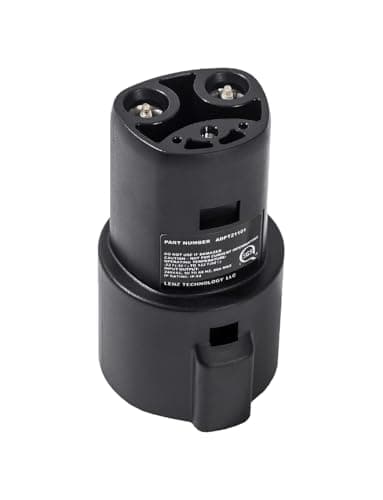
A Tesla / NACS car using J1772 chargers
LENZ J1772 → NACS Adapter
A UL-2251-certified J1772-to-NACS adapter — the one a Tesla or a 2026+ NACS-port EV needs to use the huge installed base of J1772 chargers.
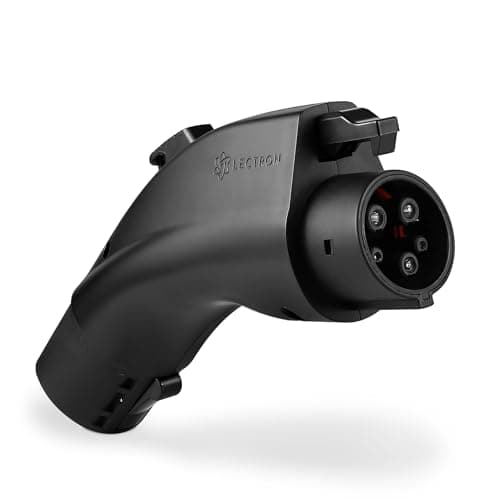
A J1772 car using NACS chargers
Lectron NACS → J1772 Adapter
The default adapter for a J1772 car to use a Tesla-style (NACS) home or destination charger — rated for the full 48 amps.
#ad · As an Amazon Associate we earn from qualifying purchases.
Questions
Frequently asked
What is the difference between CCS and NACS?
Is NACS replacing CCS?
Can I use an adapter to fast charge across CCS and NACS?
Does CCS vs NACS matter for home charging?
Keep reading
Related
Receipts
Sources
- US DOE AFDC — EV charging infrastructure & connectors
- Consumer Reports — Tesla Superchargers and NACS adoption
We do not run a testing lab, and we do not pretend to. Where a measured number came from someone else's lab, we name them and link them. Where we could not verify something, we say so on the page rather than quietly leaving it out. Read our full method.