HUB 05 · Guides & Buying Advice
EV Charging Networks Explained
There is no single 'gas station' brand for EVs. Here's who runs the public chargers, which app each needs, and how to stop juggling a dozen accounts.
We earn a commission when you buy through our Amazon links, at no extra cost to you. It never affects our rankings, and we say so when the cheaper product is the better buy. How this works.
Public charging is run by several competing networks, each with its own app and pricing, not one national brand. The big DC fast-charging names are Tesla Supercharger, Electrify America, EVgo and the newer Ionna; ChargePointand others dominate Level 2. You do not need every app — set up the two or three that cover your area and your usual routes.
The lack of a single "fill-up" brand is what makes public charging feel complicated. It is really just a handful of networks. Here is who they are and how to think about them.
The DC fast-charging networks (road trips)
- Tesla Supercharger— the largest and most reliable DC network, now opening to many non-Tesla EVs with NACS access. See our Supercharger access guide.
- Electrify America— the largest non-Tesla DC network, CCS-heavy, found at many big retailers.
- EVgo— widespread DC fast charging, often in city and grocery lots.
- Ionna— a newer network backed by a group of automakers, building higher-end fast-charging hubs with both NACS and CCS.
The Level 2 networks (destinations and daily top-ups)
ChargePointruns a huge base of Level 2 stations at workplaces, garages, and shopping centers — many free or cheap — plus some DC. Others (Blink, SemaConnect/Blink, Flo, and countless site-hosted units) fill in the map. These are where you top up while parked, not where you fast-charge on a trip. Your car may already come with a home unit; our home charger roundup covers that side.
How to stop juggling apps
You do not need an account on every network. Practical approach: install the app for the DC network that covers your main routes, add ChargePoint for daily Level 2, and rely on contactless tap-to-pay or plug-and-charge where offered. A roaming aggregator or your car's built-in trip planner can also start sessions across multiple networks from one place. For finding and rating stations, crowd-sourced apps like PlugShare are invaluable.
Connectors across networks
Networks differ in the connectors they offer. As NACS spreads, more non-Tesla stations add NACS cables and more NACS stations add CCS. If your car's connector does not match a Level 2 AC station, a pocket adapterbridges it; for DC, rely on the car's native port or an automaker-supplied DC adapter. Our CCS vs NACS guide untangles which is which.
The gear
Recommended gear for this guide
The products this guide refers to, with prices pulled live from Amazon and dated on each card.
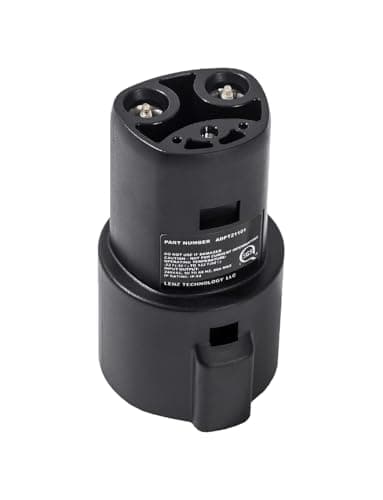
A Tesla / NACS car using J1772 chargers
LENZ J1772 → NACS Adapter
A UL-2251-certified J1772-to-NACS adapter — the one a Tesla or a 2026+ NACS-port EV needs to use the huge installed base of J1772 chargers.
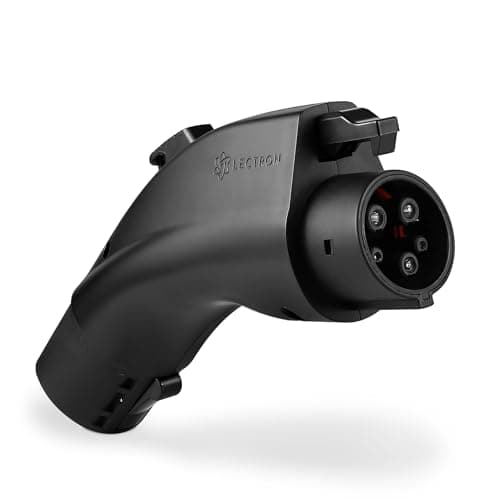
A J1772 car using NACS chargers
Lectron NACS → J1772 Adapter
The default adapter for a J1772 car to use a Tesla-style (NACS) home or destination charger — rated for the full 48 amps.
#ad · As an Amazon Associate we earn from qualifying purchases.
Questions
Frequently asked
Which EV charging network is best?
Do I need a separate app for each charging network?
Can any EV use any charging network now?
Are public charging networks expensive?
Keep reading
Related
- How to Use a Public ChargerThe step-by-step once you've picked a network.
- Supercharger Access for Non-TeslasHow the biggest DC network is opening up.
- CCS vs NACSThe connectors these networks use.
- EV Charging on a Road TripStringing DC stops into a trip plan.
- Cost to Charge at HomeWhy home charging beats every network on price.
- Best EV Charging AppsThe apps for these networks, plus PlugShare and ABRP.
- How to Use Electrify AmericaStep-by-step at the big fast network.
- How to Use EVgoAutocharge and per-session billing.
- How to Pay for EV ChargingHow each network takes payment.
Receipts
Sources
- US DOE AFDC — Electricity stations & networks
- Consumer Reports — Tesla Superchargers and NACS adoption
We do not run a testing lab, and we do not pretend to. Where a measured number came from someone else's lab, we name them and link them. Where we could not verify something, we say so on the page rather than quietly leaving it out. Read our full method.