HUB 05 · Guides & Buying Advice
Are EV Charging Adapters Safe?
A current-carrying coupler is only as safe as its listing and its fit. Here's the standard to look for, and the simple habits that keep an adapter safe.
We earn a commission when you buy through our Amazon links, at no extra cost to you. It never affects our rankings, and we say so when the cheaper product is the better buy. How this works.
A quality EV charging adapter with the right safety listing is safe to use, including leaving a car charging on it unattended — that is exactly what it is certified for. An uncertified, no-name adapter is the real risk. The single spec that separates the two is a named UL 2251 (or UL 2252) listing, the standard written for connectors that carry full charging current. Buy for that listing, keep the fit snug, and adapters are a non-issue.
Adapters make people nervous, and the instinct is reasonable: you are adding a coupler into the path of a high-current connection. But the nervousness is aimed at the wrong thing. A certified adapter is engineered for this exact job; the danger is a cheap one that skipped the testing. Here is how to tell them apart and use either kind sensibly.
Why an adapter can be perfectly safe
A passive charging adapter is a short coupler that mates a plug of one shape to a port of another — a NACS-to-J1772 adapter, for instance, so a J1772 car can use a Tesla-style charger. It carries the same current the charger delivers, and a properly designed one is built with contacts and housing rated for that continuous load. The charging handshake between the car and the charger still happens normally through the adapter; nothing about it bypasses the safety systems in the charger or the car. Millions of EV owners use them daily without incident. The reason they can is the listing.
The listing that matters: UL 2251 / 2252
On any EV adapter, look for an explicit UL 2251listing (some Tesla/NACS-side adapters cite UL 2252). That is the safety standard written specifically for EV connectors and adapters carrying charging current — it is not the same as a generic "certified" sticker, and the difference is the whole point. A named UL listing means the part was tested to heat, fit, and durability requirements for this exact duty. An adapter that only claims to be "certified" without naming a standard is one to pass on, no matter how cheap. Our picks call the listing out: the LENZ J1772-to-NACS adapter names UL 2251, for example.
Listing first, price second.Adapters are cheap across the board, so there is no real money to save by buying the uncertified one. The few dollars' difference is not worth putting an untested part in the path of 40 continuous amps.
The one real limit: AC only
Safety and capability are different questions, and here is the capability limit that trips people up: passive home adapters are AC only. They bridge Level 1 and Level 2 AC charging between the North American standards; none of them enables DC fast charging (Tesla Superchargers included). This is not a safety failure — it is simply not what the adapter does, and no simple adapter does it. Do not buy one expecting to unlock Supercharging. The direction and scope are covered in our NACS vs J1772 guide and the adapters hub.
Safe-use habits that take ten seconds
- Check the fit. The adapter should seat firmly at both ends with no wobble. A loose connection is where heat builds. Seat it fully before you start the charge.
- Feel for heat.Warm is normal; hot is not. If the adapter, connector, or plug ever runs unusually hot, stop the charge and inspect it — the same rule as for any part of the charging chain.
- Inspect periodically. Look for cracked housings, bent pins, or discoloration. Retire any adapter that is damaged rather than nursing it along.
- Match the direction to your car. Using the wrong-direction adapter is a compatibility problem, not usually a danger, but it wastes a purchase. Confirm which plug your car has first.
Bottom line
Are EV charging adapters safe? A UL-listed one, used with a snug fit and the odd glance for heat, yes — it is certified for exactly this. An uncertified bargain adapter is the one to avoid. Spend the few dollars on the listed part, get the direction right for your car, and remember it is AC only. See the vetted options in our adapters hub.
The gear
Recommended gear for this guide
The products this guide refers to, with prices pulled live from Amazon and dated on each card.
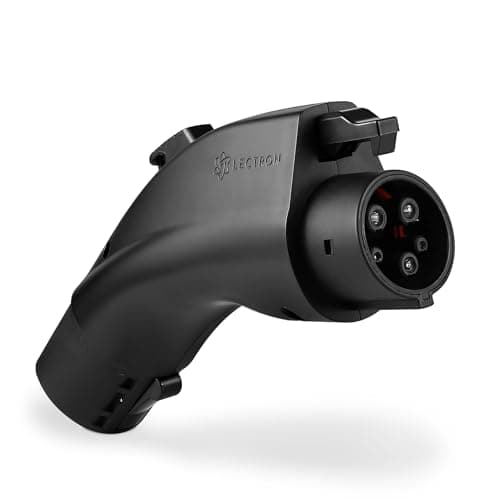
A J1772 car using NACS chargers
Lectron NACS → J1772 Adapter
The default adapter for a J1772 car to use a Tesla-style (NACS) home or destination charger — rated for the full 48 amps.
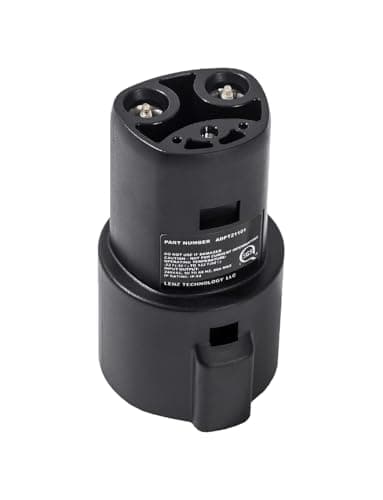
A Tesla / NACS car using J1772 chargers
LENZ J1772 → NACS Adapter
A UL-2251-certified J1772-to-NACS adapter — the one a Tesla or a 2026+ NACS-port EV needs to use the huge installed base of J1772 chargers.
#ad · As an Amazon Associate we earn from qualifying purchases.
Questions
Frequently asked
Is it safe to leave my EV charging on an adapter unattended?
What safety listing should an EV adapter have?
Can an adapter damage my car or charger?
Do charging adapters let me use any charger, including Superchargers?
Keep reading
Related
- EV Charging AdaptersThe vetted adapters, with listings called out.
- NACS vs J1772 ExplainedWhich direction of adapter your car needs.
- Best NACS-to-J1772 AdaptersFor a J1772 car using a Tesla-style charger.
- Best J1772-to-Tesla AdaptersFor a Tesla or NACS-port car using J1772 chargers.
- Which Adapter Do I Need?The two-question guide to the right direction.
- Do I Even Need an Adapter?When the answer is 'none at all'.
- Do Adapters Slow Charging?Why a properly rated adapter costs no speed.
Receipts
Sources
We do not run a testing lab, and we do not pretend to. Where a measured number came from someone else's lab, we name them and link them. Where we could not verify something, we say so on the page rather than quietly leaving it out. Read our full method.