HUB 04 · Cable Management & Accessories
Setting Up an Outdoor EV Charger
No garage is no problem — EV chargers are built for the weather. The outlet cover, mounting and cable details that keep an outdoor setup safe.
We earn a commission when you buy through our Amazon links, at no extra cost to you. It never affects our rankings, and we say so when the cheaper product is the better buy. How this works.
Charging outdoors — on a driveway, carport or exterior wall — is completely normal and safe when the setup is right. EV chargers are built for the weather, but the outlet, its cover, and the GFCI protection are where outdoor installs go wrong. Get those right and outdoor charging is as reliable as a garage.
Plenty of EV owners have no garage, and manufacturers design for exactly that. The equipment is rated for rain, heat and cold; your job is to protect the connections and store the cable properly.
Use weather-rated equipment
Check the charger's enclosure rating — most quality units carry a NEMA 4 or comparable outdoor rating and an operating-temperature range that covers your climate. It is fine to leave a properly rated charger mounted outdoors year-round. Our charging-in-the-rain guide explains why the connector design keeps water out during a session.
The outlet is the weak point
For a plug-in charger, the NEMA 14-50 outlet and its cover matter more than anything. Use an industrial-grade receptacle in a weatherproof, in-use ("while-in-use") cover that closes over the plug, so rain cannot reach the connection while the charger is plugged in. A cheap outlet or an open cover is the classic cause of corrosion, over-temperature faults and nuisance trips outdoors.
GFCI and the tripping question
Outdoor dwelling receptacles on 50-amp-or-smaller circuits generally need GFCI protectionby code — and outdoors is exactly where a GFCI plus a plug-in charger is most prone to nuisance tripping in damp weather. A quality weatherproof outlet reduces it; if trips persist, hardwiring the charger is often the cleaner outdoor solution. Discuss it with your electrician.
Mounting height and cable management
Mount the unit around chest height (roughly 3.5–4 feet) so the cable does not drag or pool on wet ground, and position it so the cable reaches the car's port without strain. Dock the connector in a holster when not in use so it stays clean, dry and off the ground, and loop the cable on a hook rather than leaving it in a puddle. Our cable-length guide helps you buy enough reach so the cable is not stretched taut outdoors.
The gear
Recommended gear for this guide
The products this guide refers to, with prices pulled live from Amazon and dated on each card.
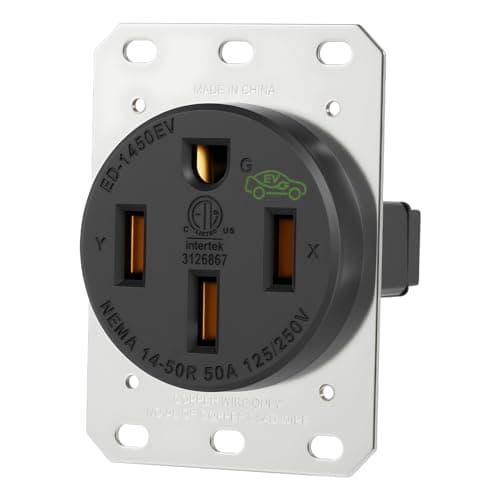
The outlet a plug-in charger needs
Industrial NEMA 14-50 Outlet
The receptacle a plug-in charger actually plugs into — buy the industrial-grade, listed version, because the cheap ones are the part that fails.
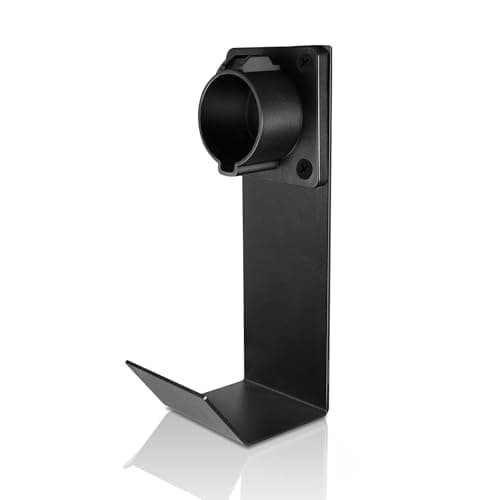
Docking a J1772 connector
Lectron J1772 Holster + J-Hook
A connector dock and cable hook in one — the tidiest, cheapest fix for a J1772 plug that otherwise sits on the floor.
#ad · As an Amazon Associate we earn from qualifying purchases.
Questions
Frequently asked
Is it safe to charge an EV outside in the rain?
What outlet cover do I need for an outdoor EV charger?
Do outdoor EV chargers trip the breaker more?
How high should I mount an outdoor EV charger?
Keep reading
Related
- Best Outdoor EV ChargersThe weatherproof units to mount out here, ranked by enclosure rating.
- Can I Charge in the Rain?Why outdoor charging is safe by design.
- Do I Need a GFCI Breaker?The outdoor GFCI rules and tripping.
- NEMA 14-50 OutletsThe receptacle to weatherproof outdoors.
- Cable OrganizersKeep the connector dry and off the ground.
- Cable Length GuideEnough reach so the cable isn't stretched.
Receipts
Sources
We do not run a testing lab, and we do not pretend to. Where a measured number came from someone else's lab, we name them and link them. Where we could not verify something, we say so on the page rather than quietly leaving it out. Read our full method.