HUB 05 · Guides & Buying Advice
The New EV Owner's Charging Checklist
Everything to sort out in your first week of EV ownership, in priority order — so you're never caught with a low battery and no plan.
We earn a commission when you buy through our Amazon links, at no extra cost to you. It never affects our rankings, and we say so when the cheaper product is the better buy. How this works.
The first week with a new EV is about setting up charging once, properly. In order: figure out home charging (outlet or hardwire), pick the right charger for your car and panel, install one public-network app, get the adapter your connector needs, and add cable management. Do those five and charging fades into the background where it belongs.
You do not need everything at once, and you should not overspend. Here is the checklist in the order that actually matters, with the honest "do I need this?" on each.
1. Sort out home charging first
This is the big one. Decide whether you will charge on a 120-volt outlet (fine for light drivers and plug-in hybrids — see can you use a regular outlet) or add a 240-volt Level 2 setup. If Level 2, decide plug-in versus hardwired: plug-in for renters and flexibility, hardwired for a fast permanent install. Get a proper outletor circuit installed by a licensed electrician — the install cost guide sets expectations.
2. Pick the right charger for your car and panel
Match amperage to what your car accepts and your panel can supply — there is no point buying 48 amps for a car that takes 32, or a 48-amp unit your panel cannot feed. The what amp charger do I need guide walks through it, and a value 48-amp-capable pick like the Emporia Level 2 suits most homes. Renters and travelers may prefer a portable instead.
3. Install one public-charging app
Even if you mostly charge at home, set up at least one network app with a payment method before your first road trip, so a public charge is not stressful. Our networks explainer covers which to pick, and how to use a public charger walks through the first session.
4. Get the adapter your connector needs
Check your car's connector and buy the right adapter — a J1772 car benefits from a NACS-to-J1772 adapter to use Tesla AC chargers; a NACS-port car wants a J1772-to-NACS adapter for the huge J1772 network. Look for a named UL listing. Keep it in the frunk; it is cheap insurance that widens where you can charge.
5. Add cable management
Last and least urgent, but genuinely worth it: a holster and hook dock the connector and loop 25 feet of cable so it is off the floor. It protects your most expensive cable and removes a trip hazard for a few dollars.
What you can skip on day one:a second charger, a fancy energy-management system, or a DC solution at home. Start with a solid Level 2 (or even Level 1) home setup, one app, and the right adapter — add the rest only if a real need appears.
The gear
Recommended gear for this guide
The products this guide refers to, with prices pulled live from Amazon and dated on each card.
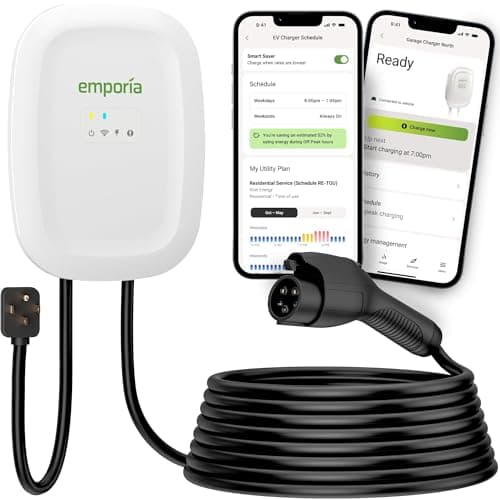
Most people who want the smart features too
Emporia Level 2 (48A)
The smart charger that does not charge a smart-charger premium — 48-amp capability and real energy monitoring for the price of a dumb one.
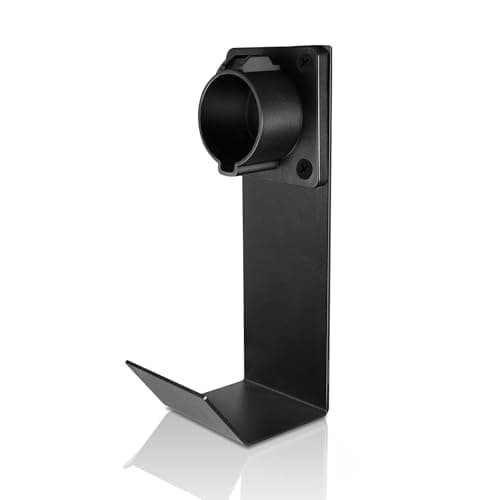
Docking a J1772 connector
Lectron J1772 Holster + J-Hook
A connector dock and cable hook in one — the tidiest, cheapest fix for a J1772 plug that otherwise sits on the floor.
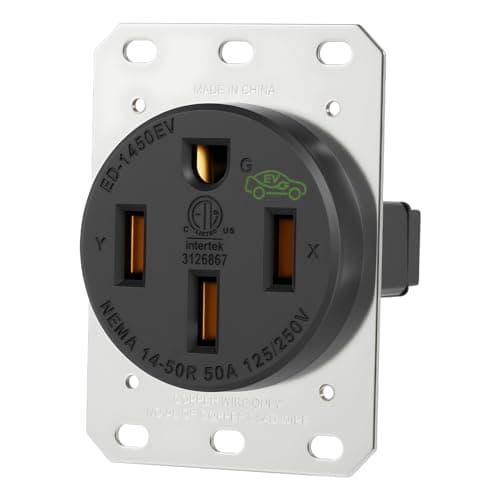
The outlet a plug-in charger needs
Industrial NEMA 14-50 Outlet
The receptacle a plug-in charger actually plugs into — buy the industrial-grade, listed version, because the cheap ones are the part that fails.
#ad · As an Amazon Associate we earn from qualifying purchases.
Questions
Frequently asked
What do I need to set up charging for a new EV?
Do I need to install a Level 2 charger right away?
What charging accessory is most worth buying first?
What can a new EV owner skip?
Keep reading
Related
- What Amp Charger Do I Need?Match the charger to your car and panel.
- Level 2 Installation CostWhat the home setup realistically costs.
- Which Adapter Do I Need?Pick the right one for your connector.
- EV Charging Networks ExplainedWhich public app to set up first.
- Cable OrganizersThe finishing touch that protects your cable.
Receipts
Sources
We do not run a testing lab, and we do not pretend to. Where a measured number came from someone else's lab, we name them and link them. Where we could not verify something, we say so on the page rather than quietly leaving it out. Read our full method.