HUB 05 · Guides & Buying Advice
7 EV Charger Buying Mistakes to Avoid
The errors that lead to a returned charger, a tripped breaker, or money wasted — and the simple fix for each.
We earn a commission when you buy through our Amazon links, at no extra cost to you. It never affects our rankings, and we say so when the cheaper product is the better buy. How this works.
Most bad home-charging purchases come down to a handful of avoidable mistakes: overbuying amperage, cheaping out on the outlet, skipping the UL listing, buying the wrong connector, and forgetting that your car sets its own limit. None of them is complicated to avoid once you know to look. Here are the seven that cost people money, and the one-line fix for each.
We see the same errors again and again in owner reviews and return threads. Steering around them is most of what it takes to buy the right charger the first time.
1. Overbuying amperage
Buying a 48-amp charger when your panel or car cannot use it is the most common waste. A higher-amp unit needs a heavier, pricier circuit and possibly a panel upgrade, and delivers nothing if your car's onboard charger caps lower. Fix:size the amperage to your panel and car — 40 amps suits most homes. See what amp charger do I need.
2. Cheaping out on the outlet
For a plug-in charger, the NEMA 14-50 outlet is a real safety part, and a builder-grade one is the component that overheats under a continuous 40-amp draw. Fix: buy an industrial-grade, listed NEMA 14-50 receptacle and have it installed on a properly rated circuit by a licensed electrician.
3. Skipping the UL or ETL listing
An uncertified no-name charger is the one genuine safety risk in this category, no matter how cheap or premium it looks. Fix:insist on a real UL or ETL listing — it matters more than brand or price. Plenty of budget chargers carry proper listings.
4. Buying the wrong connector
Ordering a J1772 charger for a NACS-port car (or vice versa) means needing an adapter you should not have to buy. Fix: check your car's charge port and buy the matching connector — see NACS vs J1772, and the NACS roundup for native Tesla-plug units.
5. Forgetting the car sets the limit
Your real charging speed is the lowest of the charger, your car's onboard charger, and the circuit. A 48-amp charger does nothing for a car that accepts 32 amps. Fix:check your car's onboard charger rating before paying for amperage headroom.
6. Ignoring the install cost
The charger is often the cheaper half; the 240-volt circuit, permit, and any panel upgrade can dwarf it. Buyers who budget only for the box get a nasty surprise. Fix: price the whole job up front with our installation cost guide, and consider a plug-in unit if a suitable outlet already exists.
7. Paying for smart features you will not use
A connected charger's app earns its keep on a time-of-use rate or with two cars; otherwise it is spend (and a failure point) you do not need. Fix:buy smart only if you will use scheduling, load sharing, or energy data — and lean toward a value smart unit if so. See do I need a smart charger.
The through-line:match the charger to your house and car, insist on a real listing, and budget for the outlet and the install — not just the box. Avoid those and you avoid nearly every expensive mistake in this category.
Bottom line
None of these mistakes is hard to dodge once you know them. Size the amperage to your setup, buy a listed charger and a proper outlet, match the connector, respect your car's limit, and budget the whole job. Do that and the shortlist in our best home EV chargers roundup will lead you to a charger you keep, not one you return.
The gear
Recommended gear for this guide
The products this guide refers to, with prices pulled live from Amazon and dated on each card.
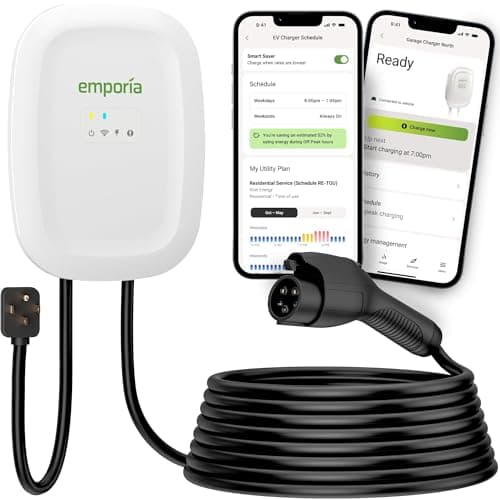
Most people who want the smart features too
Emporia Level 2 (48A)
The smart charger that does not charge a smart-charger premium — 48-amp capability and real energy monitoring for the price of a dumb one.
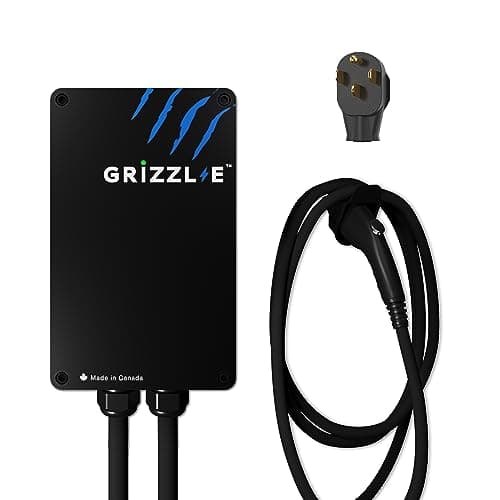
People who want a charger, not an app
Grizzl-E Classic (40A)
A UL-certified metal box that just charges, with none of the app dependence that dates the smart units — the value default.
#ad · As an Amazon Associate we earn from qualifying purchases.
Questions
Frequently asked
What is the most common EV charger buying mistake?
Do I really need a UL-listed EV charger?
Why did my new EV charger trip the breaker?
Is it worth paying for a smart EV charger?
Keep reading
Related
Receipts
Sources
- US DOE / fueleconomy.gov — EV charging basics
- US DOE Alternative Fuels Data Center — charging at home
We do not run a testing lab, and we do not pretend to. Where a measured number came from someone else's lab, we name them and link them. Where we could not verify something, we say so on the page rather than quietly leaving it out. Read our full method.