HUB 05 · Guides & Buying Advice
How Much Does DC Fast Charging Cost?
Fast charging on the road costs far more than plugging in at home — here's how the pricing works and how to keep road-trip costs sane.
We earn a commission when you buy through our Amazon links, at no extra cost to you. It never affects our rankings, and we say so when the cheaper product is the better buy. How this works.
Public DC fast charging is the most expensive way to charge — often two to three times the cost of charging at home per mile, and sometimes more. It is priced either per kWh or per minute, may add idle fees and session fees, and varies a lot by network and region. It is the price of speed on a road trip, not a way to charge day to day.
Understanding the pricing keeps road-trip costs reasonable and makes crystal clear why home charging is the foundation of cheap EV ownership.
Per-kWh vs per-minute pricing
The fairer model is per kWh— you pay for the energy you receive, just like at home, but at a higher rate. Some networks and some states still price per minute, which penalizes cars that charge slowly or any session that tapers as the battery fills. If you are billed per minute, charging in the battery's fast window (roughly 10–80%) and stopping before the slow top-end matters a lot. Compare this to the fixed, low home rate in our cost-to-charge-at-home guide.
Idle fees and session fees
Many fast chargers add an idle fee— a per-minute charge that kicks in after your session finishes if you leave the car plugged in and occupying the stall. It exists to keep stalls moving, and it can add up quickly, so move the car promptly. Some networks also add a small per-session fee or offer a monthly membership that lowers the per-kWh rate for frequent road-trippers.
The road-trip math
On a long trip, fast-charging costs can approach the fuel cost of an efficient gas car — that is the honest trade for the convenience of quick stops. The savings in EV ownership come from the other 95% of your miles charged cheaply at home. A rough way to sanity-check a stop: energy added (kWh) times the per-kWh rate, plus any session or idle fees. Our DC fast charging explainer covers the speed side, and the road-trip guide the planning.
How to keep costs down
Charge to only what you need to reach the next stop rather than to 100% (the top-end is slow and, per-minute, expensive), use network memberships if you fast-charge often, avoid idle fees by moving promptly, and — above all — do your everyday charging at home with a Level 2 charger or portable so fast charging stays a trip-only expense.
The gear
Recommended gear for this guide
The products this guide refers to, with prices pulled live from Amazon and dated on each card.
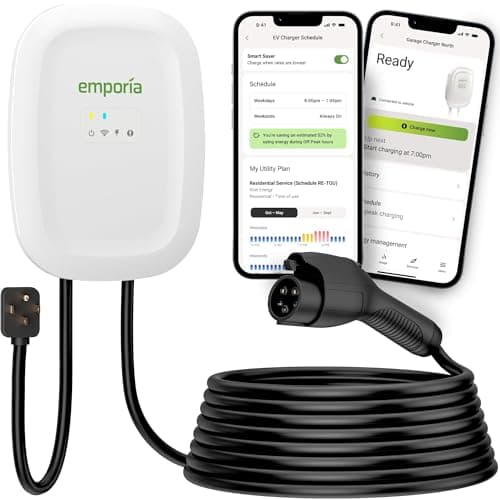
Most people who want the smart features too
Emporia Level 2 (48A)
The smart charger that does not charge a smart-charger premium — 48-amp capability and real energy monitoring for the price of a dumb one.
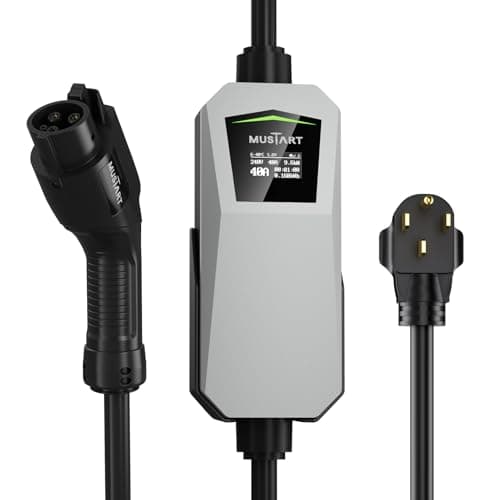
The cheapest capable portable
MUSTART 40A Portable
A budget 40-amp portable with an LCD readout — the value pick when you just need 240V charging that moves.
#ad · As an Amazon Associate we earn from qualifying purchases.
Questions
Frequently asked
Is DC fast charging more expensive than charging at home?
What is an idle fee at a fast charger?
Why am I charged per minute instead of per kWh?
How do I lower my fast-charging costs?
Keep reading
Related
- Cost to Charge at HomeThe cheap baseline fast charging is measured against.
- DC Fast Charging ExplainedHow the speed you're paying for works.
- EV Charging on a Road TripPlanning stops to control cost.
- How to Save Money ChargingKeeping cost per mile low overall.
- How to Pay for EV ChargingThe payment side of a fast-charge stop.
Receipts
Sources
We do not run a testing lab, and we do not pretend to. Where a measured number came from someone else's lab, we name them and link them. Where we could not verify something, we say so on the page rather than quietly leaving it out. Read our full method.