HUB 05 · Guides & Buying Advice
Why Does My EV Stop Charging?
A car that quits charging before it's full is rarely broken — it's usually one of five ordinary causes. Here's how to tell which.
We earn a commission when you buy through our Amazon links, at no extra cost to you. It never affects our rankings, and we say so when the cheaper product is the better buy. How this works.
An EV that stops charging before it is full is almost never a broken charger. The usual suspects are a scheduled-charging setting, a tripped breaker or GFCI, a loose or dirty connector, temperature protection, or a charge limit you set in the car. Work through them in order and you will usually find it in minutes.
Because the car, the charger and the circuit all have to agree for charging to continue, a stop can come from any of the three. Start with the simplest.
1. A scheduled charge or charge limit
The most common "problem" is a setting working as intended. Many EVs let you schedule charging for off-peak hours or cap the charge at, say, 80% for battery health — see should I charge to 100%. If the car stops at a round number or won't start until a set time, check the schedule and limit in the car's charging menu and your charger's app first.
2. A tripped breaker or GFCI
If the charger goes dark, a breaker may have tripped. Plug-in chargers on a NEMA 14-50outlet with a GFCI breaker are prone to nuisance trips, especially outdoors or in damp conditions — our GFCI guide explains why. Reset the breaker; if it trips repeatedly, stop and have an electrician check the circuit and receptacle rather than resetting over and over.
3. A loose, hot or dirty connector
A connector not fully seated — or a worn outlet the plug fits loosely — can interrupt charging and even overheat. Push the connector fully home until it latches, inspect the plug and receptacle for discoloration or heat damage, and keep the handle docked in a holster so it stays clean and dry. A hot or melted plug means stop using that outlet until it is inspected.
4. Temperature protection
In extreme cold or heat, the car may slow or pause AC charging to protect the battery — normal, protective behavior, not a fault. Our cold-weather guide covers why. Pre-conditioning or charging during milder hours usually resolves it.
5. A fault on the charger or car
If none of the above fits and the charger shows an error light, note the pattern and check its meaning — our error-codes guide and general troubleshooting guidewalk through fault categories. Try a different outlet or the car's included cord to isolate whether the car, the EVSE or the circuit is at fault before assuming the worst.
The gear
Recommended gear for this guide
The products this guide refers to, with prices pulled live from Amazon and dated on each card.
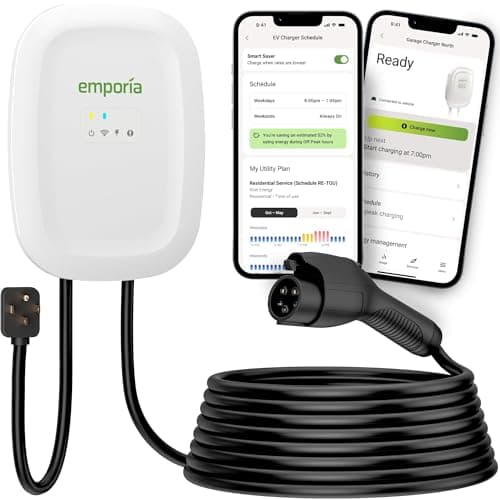
Most people who want the smart features too
Emporia Level 2 (48A)
The smart charger that does not charge a smart-charger premium — 48-amp capability and real energy monitoring for the price of a dumb one.
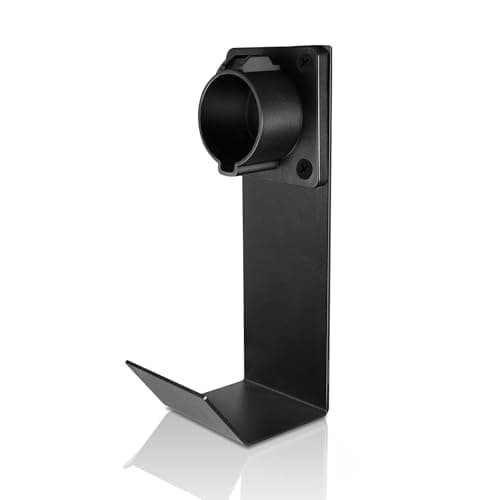
Docking a J1772 connector
Lectron J1772 Holster + J-Hook
A connector dock and cable hook in one — the tidiest, cheapest fix for a J1772 plug that otherwise sits on the floor.
#ad · As an Amazon Associate we earn from qualifying purchases.
Questions
Frequently asked
Why does my EV stop charging before it's full?
Why does my EV charger keep stopping overnight?
Is it bad that my car stops charging at 80%?
How do I tell if the car or the charger is the problem?
Keep reading
Related
Receipts
Sources
We do not run a testing lab, and we do not pretend to. Where a measured number came from someone else's lab, we name them and link them. Where we could not verify something, we say so on the page rather than quietly leaving it out. Read our full method.