HUB 05 · Guides & Buying Advice
Can I Install an EV Charger Myself?
The honest, safety-first answer: the plug-in part can be DIY, the wiring part is not. Here's exactly where the line sits — and why it matters.
We earn a commission when you buy through our Amazon links, at no extra cost to you. It never affects our rankings, and we say so when the cheaper product is the better buy. How this works.
Here is the honest line: if you have a working, properly rated 240-volt outlet, plugging in a portable or plug-in Level 2 charger is a genuine DIY job — you literally plug it in. Everything on the other side of that outlet — adding a new 240-volt circuit, installing a NEMA 14-50 receptacle, hardwiring a charger, or touching your panel — is licensed-electrician work, needs a permit in most places, and is not a weekend project. Mixing those two up is where people get hurt or fail an inspection.
"Can I install it myself?" is a reasonable question and the answer is genuinely "partly." The confusion comes from lumping two very different tasks under one word. One is plugging in an appliance. The other is high-current electrical work behind the wall. We are enthusiasts, not electricians, and this guide is about where the safe, legal line sits — not instructions to cross it.
What you can safely do yourself
If the 240-volt outlet already exists and is on a correctly sized, properly installed circuit, the charger side is genuinely DIY:
- Use a plug-in or portable Level 2 charger.A unit that ends in a NEMA 14-50 plug goes straight into the matching outlet — no different, in principle, from plugging in a dryer. Our portable charger roundup and the plug-in wall units in the home charger roundup are built for exactly this.
- Mount the charger bracket. Fixing the wall bracket and hanging the unit is ordinary DIY, as long as you are not making any electrical connection behind it.
- Add cable-management accessories. A holster or hook is a screw-in job anyone can do.
One caveat even here: confirm the existing outlet is actually rated and wired for a continuous 40-amp EV load. Many older 14-50 outlets were installed for occasional dryer or welder use, not hours of continuous draw, and a cheap or worn receptacle is a real fire risk under EV duty. If in any doubt, have an electrician check it — see the outlet guide.
What you should not do yourself
Everything involving the circuit or the panel is licensed-electrician territory, full stop:
- Adding a new 240-volt circuitor installing a NEMA 14-50 receptacle — this means working in your panel, sizing the breaker and wire to code, and running the cable.
- Hardwiring a chargerdirectly to the circuit — required for 48-amp units and any permanent install without an outlet.
- Any panel work— adding a breaker, upgrading the service, or assessing capacity.
This is not gatekeeping. A 40- or 48-amp circuit carries enough current to start a fire or kill someone if it is sized or terminated wrong, and the failure often does not show up until months later under sustained load. It is exactly the kind of work the licensing exists for.
Permits and inspection are not optional.Most jurisdictions require a permit and an inspection for a new 240-volt circuit. Skipping it is not a saving — it can void your insurance, fail a home sale, and hide a dangerous mistake. A legitimate install includes both, done by a licensed electrician to your local code.
The money angle: DIY where it is safe, pay where it counts
The practical, safe way to save money is to do the plug-in part yourself and pay a professional for the wiring. If you can arrange for an electrician to install one properly rated NEMA 14-50 outlet, you can then buy a plug-in charger and set it up yourself — and you keep the flexibility to unplug and take it with you. That splits the job at exactly the safe line. What the electrician's side costs — outlet, circuit, permit, and any panel upgrade — is broken down in our installation cost guide, and whether to go plug-in or hardwired is covered in portable vs hardwired.
Bottom line
Can you install an EV charger yourself? The charger, yes, if a proper outlet already exists — plug it in and mount it. The circuit and the panel, no — that is licensed, permitted work, and the current involved is not something to learn on. Draw the line at the outlet, and you get the DIY satisfaction and the savings without the risk.
The gear
Recommended gear for this guide
The products this guide refers to, with prices pulled live from Amazon and dated on each card.
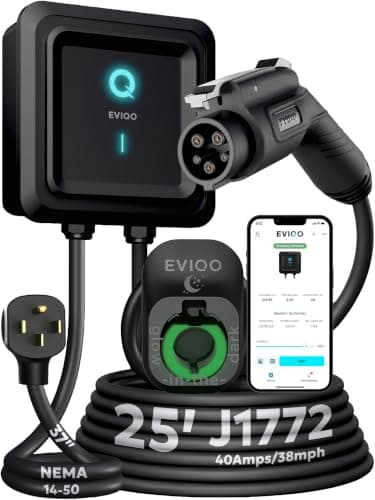
Budget-conscious buyers who still want smart features
EVIQO Level 2 (40A)
A weatherproof, UL-and-ETL-listed smart charger that regularly sits at the bottom of the price band — a lot of charger for the money.
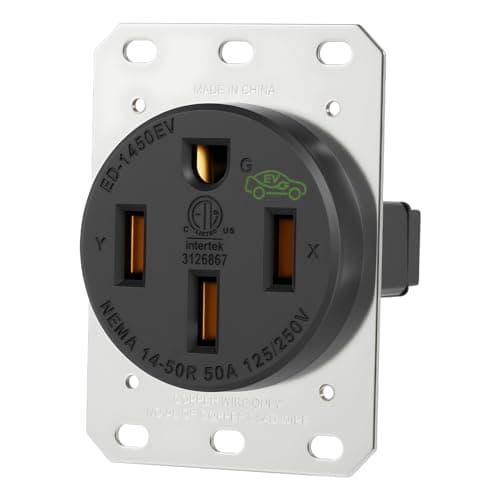
The outlet a plug-in charger needs
Industrial NEMA 14-50 Outlet
The receptacle a plug-in charger actually plugs into — buy the industrial-grade, listed version, because the cheap ones are the part that fails.
#ad · As an Amazon Associate we earn from qualifying purchases.
Questions
Frequently asked
Can I install an EV charger myself?
Do I need an electrician to install an EV charger?
Is it legal to install your own EV charger circuit?
Can I just plug my EV charger into an existing dryer outlet?
Keep reading
Related
Receipts
Sources
- US DOE Alternative Fuels Data Center — charging at home
- US DOE / fueleconomy.gov — EV charging basics
We do not run a testing lab, and we do not pretend to. Where a measured number came from someone else's lab, we name them and link them. Where we could not verify something, we say so on the page rather than quietly leaving it out. Read our full method.