HUB 05 · Guides & Buying Advice
Can I Charge My EV in the Rain?
Short answer: yes, and it's engineered to be safe. Here's what actually protects you, and the outdoor ratings worth checking.
We earn a commission when you buy through our Amazon links, at no extra cost to you. It never affects our rankings, and we say so when the cheaper product is the better buy. How this works.
Yes — you can charge an EV in the rain, and it is engineered to be safe. The connector does not carry power until it is properly seated in the car and the two have completed a safety handshake, the contacts are recessed and sealed, and outdoor-rated chargers are built for weather. Millions of people charge outdoors in rain and snow every day. The things to get right are using outdoor-rated equipment and a properly installed circuit — not avoiding the weather.
It is a completely reasonable question — high current plus water sounds alarming. But EV charging was designed from the start to happen outdoors, and the safety is built into how the connection works. Here is what actually protects you.
Why it is safe by design
Three things make wet-weather charging safe:
- No power until it is seated. The connector and car complete a low-voltage handshake before any charging current flows. An unplugged or half-seated connector is not energized, so a plug lying in the rain is not live.
- Recessed, sealed contacts. The pins are set back inside the connector and car port and are designed to keep water off the live surfaces during a charge.
- Built-in fault protection.The charging system continuously monitors for ground faults and leakage and shuts down instantly if it detects a problem — the same protection a GFCI gives a wet bathroom outlet, built into the charger.
The ratings that matter for outdoor charging
If your charger lives outside, buy for the weather ratings:
- A UL or ETL listing— the baseline safety certification for any charger, wet or dry.
- An outdoor enclosure rating— look for a NEMA 3R or NEMA 4 rating, or an IP rating like IP66. A unit like the EVIQO (IP66 / NEMA 4) or the rugged, UL-certified Grizzl-E is built for an exposed wall. Our brands guide notes which makers rate their units for outdoor use.
Sensible habits (not fears)
You do not need to avoid rain, but a few habits are good practice:
- Keep the connector off the ground with a holsterwhen not in use, so the contacts stay clean and dry — tidy, not safety-critical, but sensible.
- Do not force a plug caked in snow or ice. Clear it first so it seats fully.
- Use outdoor-rated equipment and a proper install.Any outdoor outlet or hardwired circuit must be installed to code by a licensed electrician — that, not the rain, is where real risk lives.
The real hazard is a bad install, not weather.A charger and connector rated for outdoor use handle rain and snow fine. What is genuinely dangerous is an ungrounded, uncertified, or improperly wired outdoor circuit — so the one thing not to cut corners on is the electrical work behind the charger.
Bottom line
Charge your EV in the rain without a second thought — the connector will not energize until it is safely seated, and outdoor-rated chargers are made for it. Buy a UL/ETL-listed, outdoor-rated unit, keep the connector docked when idle, and have any outdoor circuit installed to code. The weather is not the risk; the install is the thing to get right.
The gear
Recommended gear for this guide
The products this guide refers to, with prices pulled live from Amazon and dated on each card.
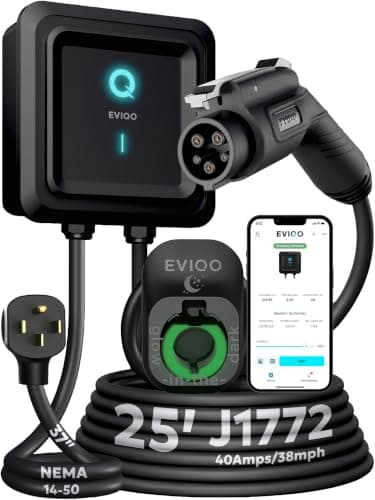
Budget-conscious buyers who still want smart features
EVIQO Level 2 (40A)
A weatherproof, UL-and-ETL-listed smart charger that regularly sits at the bottom of the price band — a lot of charger for the money.
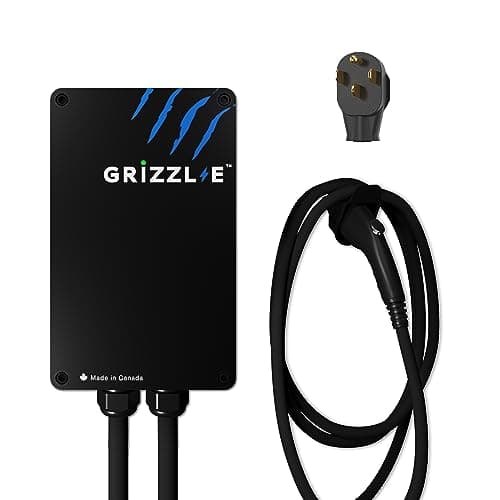
People who want a charger, not an app
Grizzl-E Classic (40A)
A UL-certified metal box that just charges, with none of the app dependence that dates the smart units — the value default.
#ad · As an Amazon Associate we earn from qualifying purchases.
Questions
Frequently asked
Is it safe to charge an EV in the rain?
Can I charge my EV in the snow?
What outdoor rating should an EV charger have?
Will rain damage my EV charger?
Keep reading
Related
Receipts
Sources
- US DOE / fueleconomy.gov — EV charging basics
- US DOE Alternative Fuels Data Center — charging at home
We do not run a testing lab, and we do not pretend to. Where a measured number came from someone else's lab, we name them and link them. Where we could not verify something, we say so on the page rather than quietly leaving it out. Read our full method.