HUB 03 · Adapters & Connectors
Do Charging Adapters Slow Down Charging?
The short answer: a properly rated adapter does not. Your car's onboard charger and your circuit set the speed — here's when an adapter actually is the bottleneck.
We earn a commission when you buy through our Amazon links, at no extra cost to you. It never affects our rankings, and we say so when the cheaper product is the better buy. How this works.
A quality, correctly rated AC charging adapter does not meaningfully slow your charging. Charging speed is set by your car's onboard charger and the circuit it is plugged into — not by a well-made adapter that simply changes the plug shape. An adapter only becomes the bottleneck when it is under-rated for the current or cheaply built.
This worry comes up constantly, and it is understandable: adding a part to the charging pathfeels like it should cost speed. For a proper passive AC adapter, it does not, and knowing why lets you buy with confidence.
What actually sets your charging speed
Three things, in this order: your car's onboard charger (its maximum AC rate), the amperage of the circuitand charger, and the lower of the two. A passive adapter just passes current through — it does not lower the amperage the car and charger agree on, provided it is rated to carry that current. Our what amp charger do I need guide explains how those limits stack up.
When an adapter is the bottleneck
- It is under-rated.An adapter rated below your charging current will limit you, or worse, overheat. Match or exceed your charger's amperage — most quality adapters are rated well above home levels.
- It is poorly made. A loose or high-resistance connection wastes energy as heat and can throttle. A snug fit and a solid housing matter, as our Lectron adapter review details.
- It is the wrong type.A passive AC adapter cannot enable DC fast charging — that is a job for a DC adapter, an entirely different part. Using the wrong category is not "slow," it simply will not work.
How to avoid the problem
Buy an adapter with a clear current rating at or above your charger's output and, ideally, a UL 2251 or UL 2252 listing — the standards written for these connectors. A proper J1772-to-NACS or NACS-to-J1772adapter meeting those criteria will not cost you speed. If charging feels slow with a good adapter, the cause is almost always elsewhere — see why is my EV charging so slow.
The gear
Recommended gear for this guide
The products this guide refers to, with prices pulled live from Amazon and dated on each card.
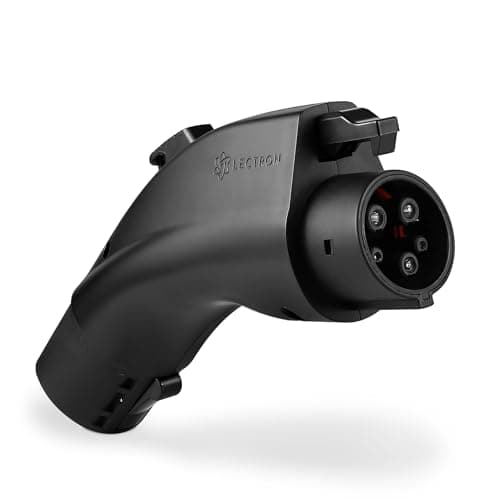
A J1772 car using NACS chargers
Lectron NACS → J1772 Adapter
The default adapter for a J1772 car to use a Tesla-style (NACS) home or destination charger — rated for the full 48 amps.
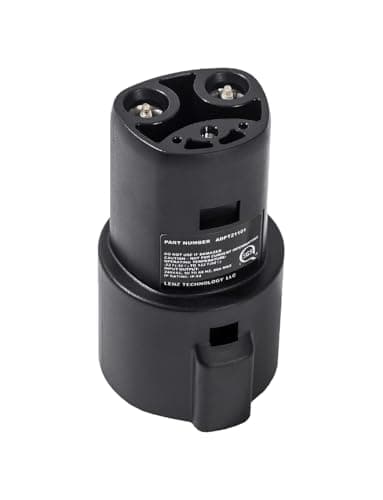
A Tesla / NACS car using J1772 chargers
LENZ J1772 → NACS Adapter
A UL-2251-certified J1772-to-NACS adapter — the one a Tesla or a 2026+ NACS-port EV needs to use the huge installed base of J1772 chargers.
#ad · As an Amazon Associate we earn from qualifying purchases.
Questions
Frequently asked
Does using an adapter make my EV charge slower?
When does an adapter actually limit charging?
How do I know an adapter is safe to charge at full speed?
Keep reading
Related
- Are EV Charging Adapters Safe?The UL listing and how to use one safely.
- Which Adapter Do I Need?Getting the direction and rating right.
- Why Is My EV Charging So Slow?The real causes when speed disappoints.
- What Amp Charger Do I Need?How your car and circuit set the ceiling.
- Lenz J1772-to-NACS AdapterA UL-listed adapter that does not cost speed.
Receipts
Sources
We do not run a testing lab, and we do not pretend to. Where a measured number came from someone else's lab, we name them and link them. Where we could not verify something, we say so on the page rather than quietly leaving it out. Read our full method.