HUB 05 · Guides & Buying Advice
How to Save Money Charging an EV at Home
Home charging is already cheap — these are the levers that make it cheaper, starting with the one most people never touch: the rate plan.
We earn a commission when you buy through our Amazon links, at no extra cost to you. It never affects our rankings, and we say so when the cheaper product is the better buy. How this works.
The biggest lever on your EV charging bill is your electricity rate plan, not your charger. Switch to a time-of-use plan and charge overnight on the cheap off-peak rate, do as much charging at home as possible instead of at pricey public fast chargers, and you capture nearly all the savings available. The charger brand and amperage change almost nothing about the cost — a kilowatt-hour costs the same whoever delivers it.
Home charging is already dramatically cheaper than gas, so this is about turning a good deal into the best one. The savings are real but they come from a short list of levers, in a clear order of impact. Here they are, biggest first.
1. Get on a time-of-use rate (the big one)
Many utilities offer time-of-useplans with much cheaper electricity overnight, precisely because EV owners charge while everyone else sleeps. Moving your charging to that off-peak window can cut your effective rate substantially — often the single largest saving available. Check whether your utility has an EV-specific or time-of-use plan and whether it beats your current flat rate. This one phone call or web form can save more than any hardware decision.
2. Automate off-peak charging
A cheap overnight rate only helps if you actually charge then. You have three easy ways to guarantee it:
- Your car's scheduler.Most EVs let you set a charge start time or a departure time for free — no extra hardware needed.
- A smart charger. A Wi-Fi charger like the Emporia schedules charging and shows what it cost, which also helps you verify the off-peak rate is applying.
- A portable with a delay timer. Even a cheap portable with a built-in timer starts the charge in the off-peak window with no app. You do not need to spend up for this one benefit.
3. Charge at home, not on the road
Public DC fast charging costs meaningfully more per kWh than home electricity, and some networks bill by the minute. The higher the share of your miles you charge at home, the lower your true blended cost per mile. Treat fast charging as the road-trip tool it is, and do the daily charging in your driveway. This is why the cost math in our cost to charge guideassumes home charging — it is where the savings live.
4. Watch the tier and the season
Two smaller levers. Some utilities use tiered pricingthat charges more once your monthly usage crosses a threshold — adding an EV can push you into a higher tier, so it is worth checking whether an EV rate plan avoids that. And rates in many regions rise in summer, so your cost per mile is not constant year-round. Neither is huge, but both are worth a look when you review your plan.
What does NOT save you money
It is worth being clear about the non-levers, because they get marketed hard:
- A pricier or higher-amp charger.Amperage sets how fast the energy goes in, not how much you pay for it. A 48-amp charger does not make electricity cheaper than a 40-amp one — see what amp charger you need.
- Charging to 100% vs 80%. This affects battery longevity and convenience, not the price per kWh.
- The charger brand. A kilowatt-hour is a kilowatt-hour. Brand buys features and support, not a lower running cost.
The one-line version:shop your utility's rate plans, schedule charging overnight, and charge at home. Those three cover nearly all the savings. What charger you buy is about convenience and features — not your monthly bill.
A worth-it upgrade note
If capturing off-peak rates is your goal and your car cannot schedule charging, a value smart charger or even a delay-timer portable pays for itself over time by automating the cheap window — a rare case where a hardware choice does affect the bill, indirectly. Beyond that, spend on the charger for the reasons in our home charger roundup, and let the rate plan do the saving.
The gear
Recommended gear for this guide
The products this guide refers to, with prices pulled live from Amazon and dated on each card.
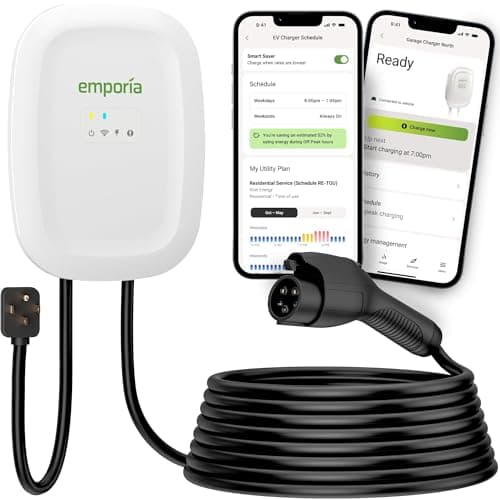
Most people who want the smart features too
Emporia Level 2 (48A)
The smart charger that does not charge a smart-charger premium — 48-amp capability and real energy monitoring for the price of a dumb one.
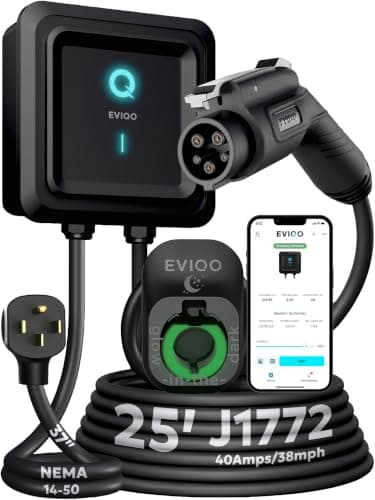
Budget-conscious buyers who still want smart features
EVIQO Level 2 (40A)
A weatherproof, UL-and-ETL-listed smart charger that regularly sits at the bottom of the price band — a lot of charger for the money.
#ad · As an Amazon Associate we earn from qualifying purchases.
Questions
Frequently asked
What is the best way to save money charging an EV?
Does a more expensive charger lower my charging cost?
How do I make sure I charge on off-peak rates?
Is public charging more expensive than charging at home?
Keep reading
Related
Receipts
Sources
We do not run a testing lab, and we do not pretend to. Where a measured number came from someone else's lab, we name them and link them. Where we could not verify something, we say so on the page rather than quietly leaving it out. Read our full method.