HUB 05 · Guides & Buying Advice
How to Beat EV Range Anxiety
Range anxiety is mostly an information problem, not a range problem — and it disappears with a handful of habits.
We earn a commission when you buy through our Amazon links, at no extra cost to you. It never affects our rankings, and we say so when the cheaper product is the better buy. How this works.
Range anxiety almost always fades within a few weeks of EV ownership, because it is an information problem, not a range problem. The fixes are concrete: charge at home so you leave full most days, plan only the occasional long trip, keep a comfortable buffer, and carry a portable charger as a safety net.
The feeling comes from applying gas-car instincts to an EV. Gas drivers run the tank low and refill in five minutes at any corner. EVs flip that: you start most days "full" from home and rarely think about charging at all. Retraining that instinct is the whole game.
Charge at home and start full
The single biggest fix is home charging. When your car charges overnight, you begin each day with plenty of range and simply never run low for daily driving. A Level 2 home charger makes this effortless; even a portable on a 240-volt outlet does the same job. Our home-charging guide covers the setup.
Plan the rare long trip — only the long ones
Daily driving needs no planning once you charge at home. It is only the occasional long trip that does, and modern tools make it simple: a planner like ABRP picks your stops, and PlugShare confirms they work — see our charging apps and road-trip guides. Knowing the stops in advance removes the anxiety entirely.
Keep a buffer and know cold-weather effects
Treat 10–20% as your practical "empty" and charge before then on a trip, just as you would not run a gas tank to fumes. Remember that cold weather cuts range — our cold-weather guideexplains why — so pad your buffer in winter. A little margin turns a nervous drive into a routine one.
Carry a portable as a safety net
A portable EVSEin the trunk means any 240-volt outlet — a campground, a relative's dryer circuit, a workplace — becomes a charging option, and even a 120-volt outlet will slowly add miles in a pinch. Pair it with the right adapterfor your car and the map of "places I could charge" expands dramatically, which is exactly what quiets the anxiety.
The gear
Recommended gear for this guide
The products this guide refers to, with prices pulled live from Amazon and dated on each card.
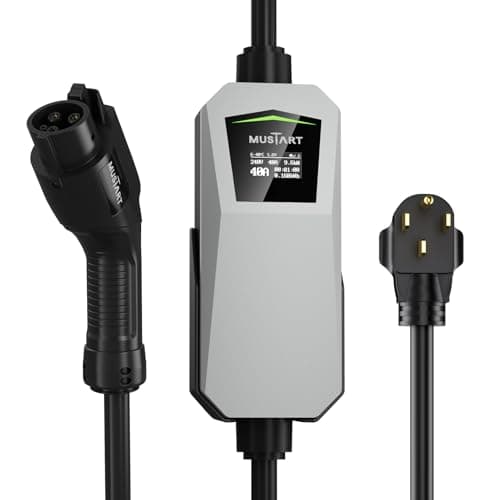
The cheapest capable portable
MUSTART 40A Portable
A budget 40-amp portable with an LCD readout — the value pick when you just need 240V charging that moves.
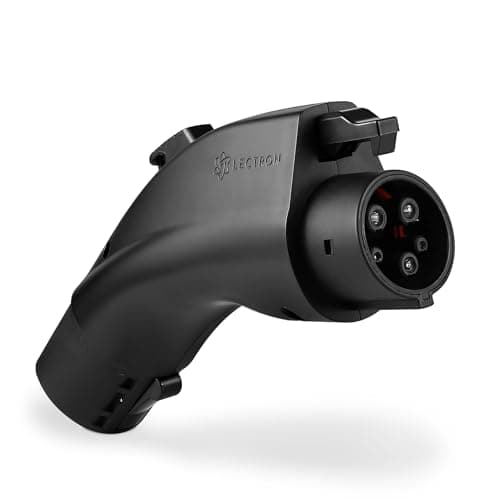
A J1772 car using NACS chargers
Lectron NACS → J1772 Adapter
The default adapter for a J1772 car to use a Tesla-style (NACS) home or destination charger — rated for the full 48 amps.
#ad · As an Amazon Associate we earn from qualifying purchases.
Questions
Frequently asked
Does range anxiety go away?
What is the best way to reduce range anxiety?
How much range should I keep in reserve?
Will a portable charger help with range anxiety?
Keep reading
Related
- EV Charging on a Road TripPlanning turns long trips routine.
- Best EV Charging AppsThe tools that remove trip uncertainty.
- Best Portable EV ChargersThe safety net that quiets the worry.
- EV Charging in Cold WeatherWhy winter range needs a bigger buffer.
- How to Charge an EV at HomeStart every day full and stop worrying.
Receipts
Sources
We do not run a testing lab, and we do not pretend to. Where a measured number came from someone else's lab, we name them and link them. Where we could not verify something, we say so on the page rather than quietly leaving it out. Read our full method.