HUB 05 · Guides & Buying Advice
EV Charging Gifts Under $150
The tier where an EV charging gift stops being a nice gesture and starts being equipment. Here is what the money buys.
We earn a commission when you buy through our Amazon links, at no extra cost to you. It never affects our rankings, and we say so when the cheaper product is the better buy. How this works.
Under $50 buys an EV owner tidiness — a hook, a holster, a small adapter. Under $150 buys them capability: a second charging cord, a connector adapter that opens up a whole network, or the reach to park where they actually want to. This is the tier where the gift becomes equipment they use rather than an accessory they appreciate.
If your budget is below this, our gifts under $50 page covers the stocking-stuffer end properly. Above it, the big-budget gifts page picks up.
A second charging cord: the best default in this tier
If you know nothing about the recipient's setup beyond the fact that they drive an EV, buy a dual-voltage (Level 1 / Level 2) portable cord. It runs off an ordinary household socket like the cord that came with the car, but it also runs at 240 volts if they ever plug it into a dryer-style outlet — so it is useful immediately and more useful later.
Owners rarely buy a second cord for themselves, and a second cord is genuinely handy: one stays at home, one lives in the trunk. That means you are not competing with something they already own the way you are with, say, a wall charger. Our 110V charger roundup ranks this exact category, and 120V vs 240V charging explains what the dual-voltage part is actually worth.
One genuine differentiator in this price band is a scheduling feature — some cords in this range can delay a charge to start during cheaper overnight electricity rates without needing the car to do it. If the recipient is on a time-of-use tariff, that is a feature with a running payback; our how to save money charging guide explains how much it can matter.
A connector adapter: the best value per dollar in EV charging
A connector adapter is the highest-leverage object in this entire category: for well under $150, it substantially increases the number of chargers a car can physically use. A non-Tesla EV gets a NACS-to-J1772 adapter to draw from Tesla-style destination chargers; a Tesla or NACS-port car gets the opposite direction to use J1772 stations.
Buy the direction that matches their charge port — our which adapter guide sorts that out in a paragraph — and buy one with a named UL listing. An adapter carries the full charging current, which makes the safety listing the specification that matters, and the difference between a listed unit and an anonymous one is small money at this budget. Our adapter safety guide is the detail.
An extension cable: for the parking spot that does not cooperate
If the recipient has ever complained that the charger does not quite reach — car parked on the wrong side, a second vehicle in the way, a driveway the cable will not cross — a purpose-built EV charging extension is the fix. This is classic gift territory because it solves a daily irritation people put up with rather than spend money on.
Two things to get right. Buy the shortest length that solves the problem, and buy an actual EV-rated extension. Our extension cable roundup covers what separates a proper one from a hazard, and why a household extension cord is not an option is the safety argument in full. Match the connector to their car: a J1772 extension will not fit a NACS charger, and vice versa.
What this budget does not stretch to — and that is fine
A mounted Level 2 wall charger generally sits above this tier, and that is a good thing for a gifter: which wall charger someone should buy depends on their electrical panel, their car's onboard charging rate and their connector, which makes it a bad surprise gift regardless of budget. If you want to go bigger, the honest move is a portable Level 2 charger — covered on our big-budget gifts page — or gifting the decision by pointing them at the home charger roundup.
And if you are buying in the run-up to November, our Black Friday and Cyber Monday page covers which of these classes historically moves on price and which does not — the short version being that cords and chargers discount more than small adapters do.
The gear
Recommended gear for this guide
The products this guide refers to, with prices pulled live from Amazon and dated on each card.
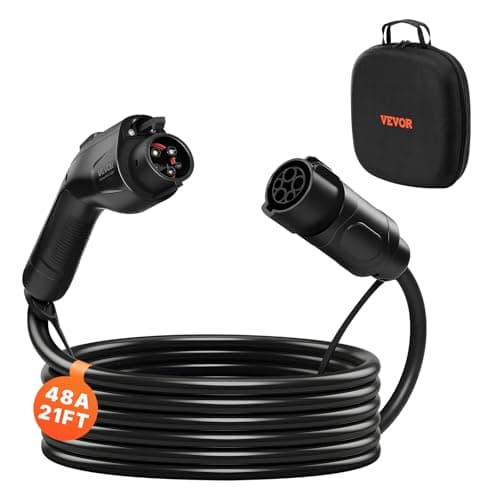
Value, and outdoor use
VEVOR J1772 Extension (48A, 21 ft)
The cheapest way to get a full 48 amps and a stated IP66 rating — the value pick, and the one to choose if the cable will live outdoors.
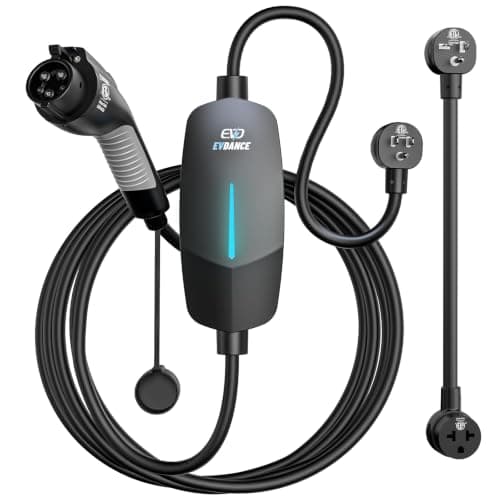
Most people buying a 110V charger
EVDANCE Level 1&2 (12A/16A)
A 12-amp 120-volt charger that is ETL listed, runs a 25-foot cable, and switches to 16 amps on 240 volts later — the 110V charger to buy if you are only buying one.
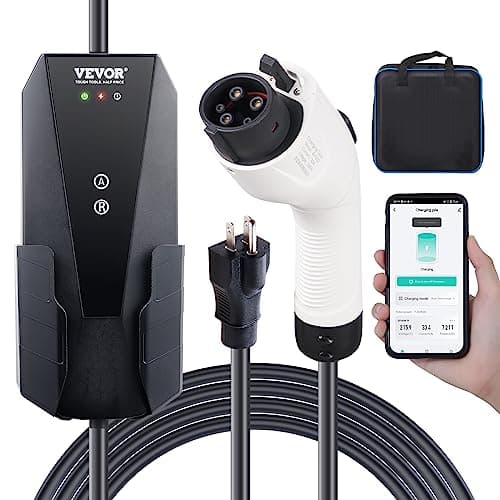
Reaching a car parked a long way from the outlet
VEVOR Level 1+2 (16A, 28ft)
The longest cable in this group at 28 feet, for the least money — but it is a 6-20 charger with a 5-15 adapter, not a native 110V unit.
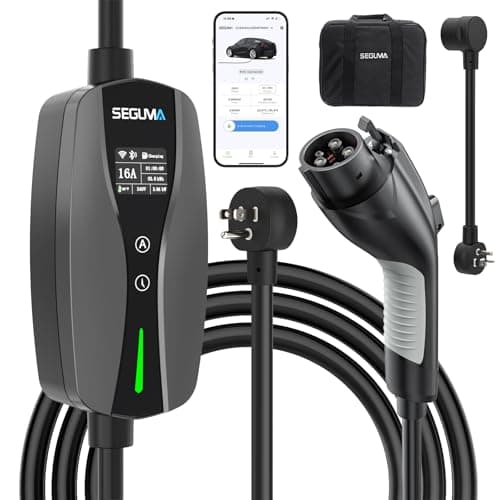
A 120V backup that is not dumb
SEGUMA Wi-Fi Level 1/2 (12A/16A)
A 120-volt cord that plugs into any household outlet and lives in the trunk — with app scheduling, a live display, and 16 amps on 240 volts if you have the outlet.
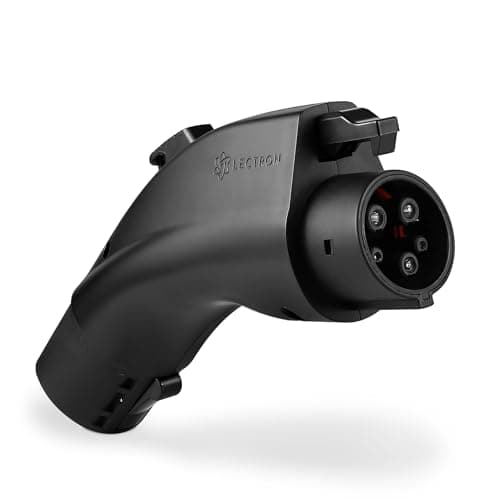
A J1772 car using NACS chargers
Lectron NACS → J1772 Adapter
The default adapter for a J1772 car to use a Tesla-style (NACS) home or destination charger — rated for the full 48 amps.
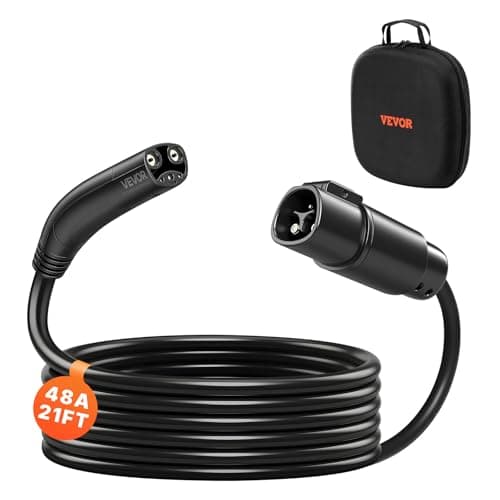
A NACS (Tesla-style) charger
VEVOR NACS Extension for Tesla (48A, 21 ft)
The NACS-to-NACS version of the value pick — 48 amps and 11.52 kW for a Tesla Wall Connector or Mobile Connector that will not quite reach.
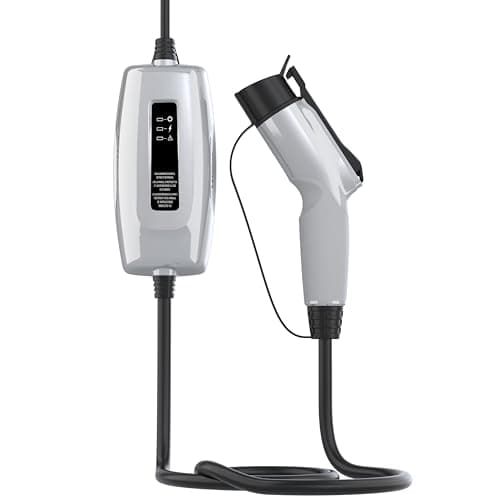
Buyers who want an established brand
Schumacher SEV1670 (12A, 120V)
A conservatively rated 12-amp Level 1 charger from a long-established automotive electrical brand — the pick if a name you recognize matters more than the spec sheet.
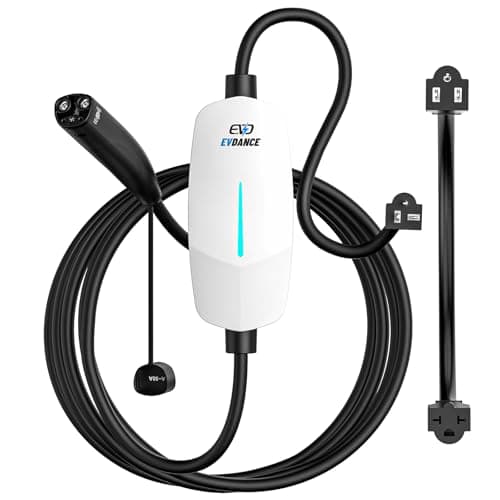
Tesla and other NACS cars
EVDANCE NACS Mobile Connector (12A/16A)
The same sensible 12A/120V formula with a Tesla-style NACS plug on the end — the replacement mobile connector for a Tesla or any NACS EV.
#ad · As an Amazon Associate we earn from qualifying purchases.
Questions
Frequently asked
What is the best EV charging gift for around $100?
Is a charging adapter worth $100 as a gift?
Can I buy a Level 2 wall charger for under $150?
Do the prices on this page stay under $150?
Keep reading
Related
- EV Charging Gifts Under $50The tier below this one.
- Big-Budget Gifts for EV OwnersThe tier above.
- Best 110V EV ChargersThe dual-voltage cord category, ranked.
- Which Adapter Do I Need?Matching the direction to their car.
- Best Extension CablesThe reach problem, solved safely.
- Black Friday EV Charger Deals 2026What discounts in this price band and what does not.
Receipts
Sources
We do not run a testing lab, and we do not pretend to. Where a measured number came from someone else's lab, we name them and link them. Where we could not verify something, we say so on the page rather than quietly leaving it out. Read our full method.