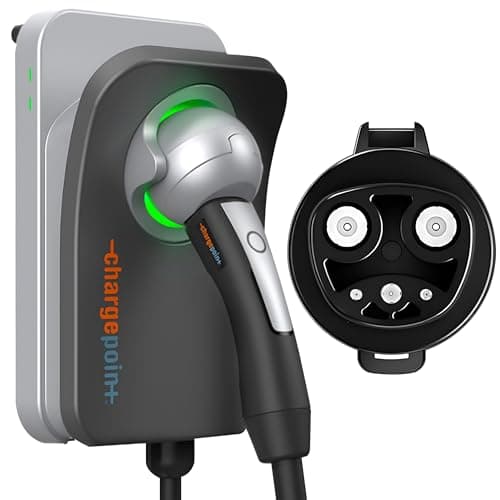
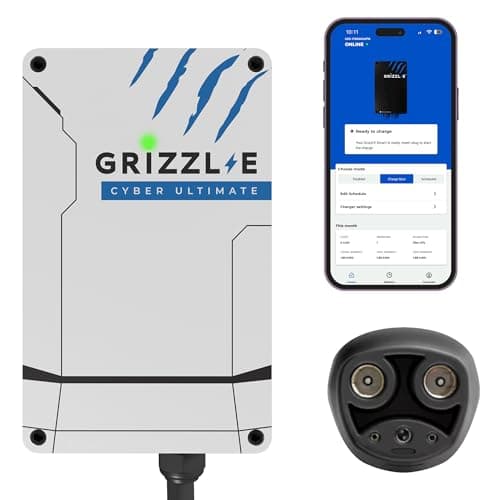
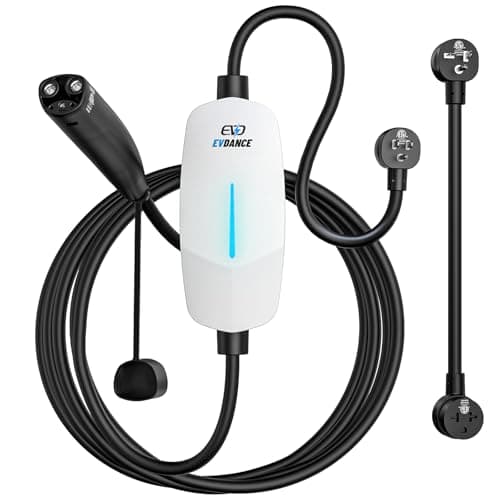
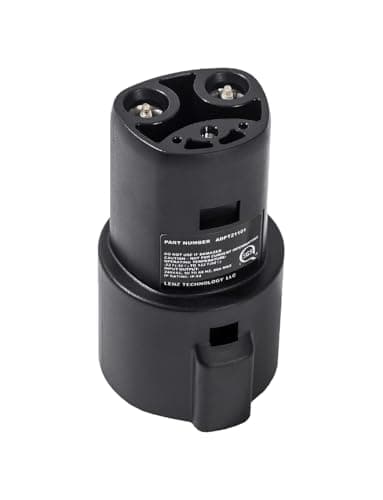
The best alternative to Supercharging is charging at home, and the cheapest hardware that does it properly is the Lectron Nexus NACS (40A)— a plug-in wall charger with the native Tesla-style handle, an ETL listing to UL 2594, and no adapter hanging off the end. If the install is hardwired, the ChargePoint Home Flex NACS is the mature-app version; if the car can accept 19.2 kW, the Grizzl-E Ultimate 80A is the only NACS unit in our registry that can feed it. The budget pick is the EVDANCE NACS Mobile Connector, a travel cord that charges off a household socket. And the cheapest alternative of all is a certified J1772-to-NACS adapter for roughly the price of one Supercharger stop, which opens up the four-fifths of US public charging ports that are Level 2.
Every price here is read from the live Amazon feed and stamped with its own date. We compile published manufacturer specs and safety listings, read the live listing and do the arithmetic; we have not bench-tested anything and we do not claim to have. See how we research. We may earn a commission.
First, what the Supercharger network is genuinely good at
It is worth being straight about this, because a page called “alternatives” usually is not. The Supercharger network is the most widely praised fast-charging network in North America for three concrete reasons: coverage along interstate corridors, a very high proportion of working stalls, and the fact that charging starts when you plug in with no app, no card and no account dance at the pedestal. It is the reference against which every other network gets measured, and the NACS connector it introduced is now being standardized as SAE J3400 across the industry.
So people do not look for alternatives because Superchargers are bad. They look because of one of four things:
- Cost per kilowatt-hour. DC fast charging of any brand costs multiples of residential electricity. If the car sleeps at a house with a driveway, every Supercharger stop is a premium you are paying by choice. Our home versus public charging comparison runs the numbers and cost to charge at home shows the arithmetic with your own rate.
- Queues at the wrong moment. Holiday weekends concentrate demand on the same corridor sites. A full battery leaving the house is the only real fix.
- A car without a native NACS port.Most non-Tesla EVs on US roads charge AC through J1772, and DC access to Superchargers depends on your automaker's adapter program and the site's hardware. Can you use a Supercharger with a non-Tesla EV covers that in detail.
- Battery health habits. Repeated DC fast charging is harder on a pack than slow AC charging, which is why most manufacturers recommend AC as the daily default. Should I charge to 100% has the published guidance.
The three real alternatives, in order of how much they save
1. Your own garage.This is not a consolation prize, it is the answer. A Level 2 charger at home turns charging into something that happens while you sleep at residential rates. For a NACS car that means a NACS wall unit — the Lectron Nexus, the ChargePoint Home Flex NACS or the Grizzl-E Ultimate below — or a J1772 unit plus a certified adapter. For most drivers, home charging eliminates the great majority of DC stops outright, and the ones that remain are road trips, where Superchargers remain a fine choice.
2. The other DC fast networks. Electrify America, EVgo and ChargePoint all run DC networks and all of them are legitimate alternatives on price, location or both; many also run promotions through automakers. We do not sell anything at a public charger, so take this as information rather than a recommendation: EV charging networks explained compares the pricing models, and we have walkthroughs for Electrify America, EVgo and ChargePoint stations. What they do not fix is cost per kWh: DC is DC, and it is dearer than your wall.
3. The public AC network, which is much bigger than the DC one.This is the alternative nobody mentions. On the US Department of Energy's figures, nearly 80% of public charging ports in the United States are Level 2 and a bit over 20% are DC fast. That means the station count a NACS car can reach roughly quadruples the moment it carries a certified J1772-to-NACS adapter — workplace chargers, hotel chargers, municipal garages, shopping centers. It is slow charging, so it suits the hours a car is parked anyway, and the hardware costs about as much as a single fast-charge session.
The hardware, compared
| Hardware | Best for | Key specs (manufacturer) | Price |
|---|
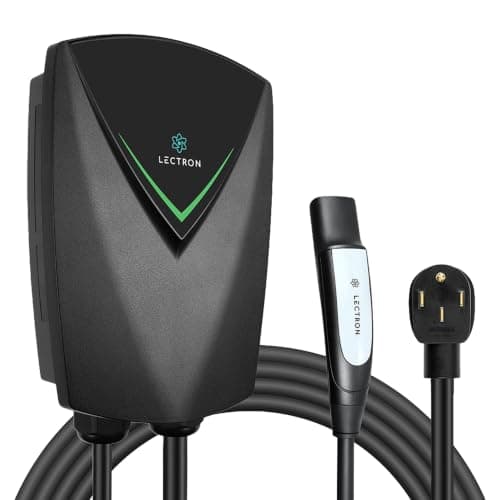
| Lectron Nexus NACS (40A) | A plug-in NACS charger with a named safety standard | 40A / 240V · NACS (J3400) · NEMA 14-50 plug · UL 2594 (ETL listed) | $387.59·Amazon |
| ChargePoint Home Flex NACS (hardwired) | Buyers who want the mature brand and app | 16–50A adjustable · NACS (J3400) · Hardwired · NEMA 3R outdoor | $549.00·Amazon |
| Grizzl-E Ultimate 80A (NACS) | NACS / Tesla cars that can take 19.2 kW | Up to 80A / 19.2 kW · NACS (Tesla-style) · Hardwired · 100A circuit · UL Type 4, works offline | $599.99·Amazon |
| EVDANCE NACS Mobile Connector (12A/16A) | Tesla and other NACS cars | 12A @ 120V / 16A @ 240V · NACS (J3400) · NEMA 5-15 + 6-20 · 25ft cable | $127.45·Amazon |
| LENZ J1772 → NACS Adapter | A Tesla / NACS car using J1772 chargers | J1772 → NACS · 80A max · Level 1 & 2 AC · UL 2251 certified | $23.98·Amazon |
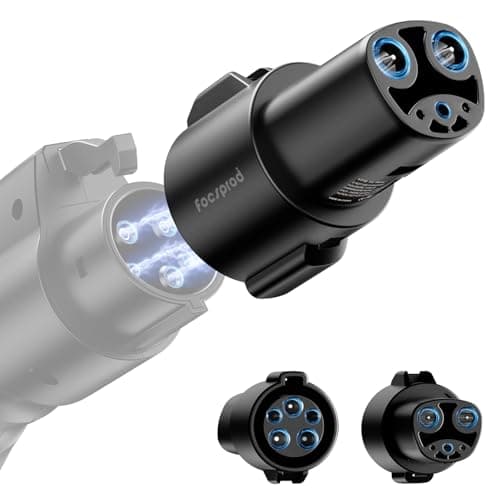
| FOCSPROD J1772 → Tesla Adapter | A cheap J1772 → Tesla adapter | J1772 → NACS · 80A / 250V · AC charging · UL 2252 listed | $21.35·Amazon |
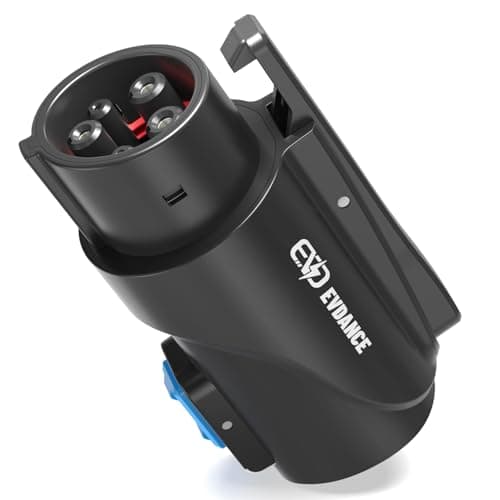
| EVDANCE NACS → J1772 Adapter | The value NACS → J1772 adapter | NACS → J1772 · Up to 80A / 250V · AC charging · Tesla connectors | $49.99·Amazon |
#ad · Prices read live from the Amazon Product API as of November 21, 2026, and they move. Specs are the manufacturer's published claims from the live listing — we have not bench-measured them. Where we have no verified price we print none rather than a number that has gone stale. We may earn a commission.
Which one replaces the most Supercharger stops
You own the garage and the car is a NACS car.The Lectron Nexus NACS. It is a plug-in 40-amp unit, so it goes on a NEMA 14-50 outlet without an electrician rewiring anything, and it names UL 2594 as its standard rather than gesturing at “certified”. Forty amps is 9.6 kW, which is an overnight full charge for almost any battery on the road. The whole NACS field, ranked on its own merits, is best NACS home chargers.
You want the hardwired install and the better app. The ChargePoint Home Flex NACS, adjustable from 16 to 50 amps with a NEMA 3R outdoor enclosure and the most mature app in the category. It is hardwired, so budget an electrician, and the hardwired roundup explains when that is worth it.
Your car accepts 19.2 kW and you turn it around twice a day.The Grizzl-E Ultimate 80A, the one NACS unit in our registry rated to 80 amps, with a UL Type 4 enclosure and local control that keeps working when the internet does not. It needs a 100-amp branch circuit, which is a real electrical project — see best 80-amp EV chargers before you commit.
You rent, or the car charges in several places. The EVDANCE NACS Mobile Connector. It is the cheapest pick here, has the native NACS handle, and runs from a 120-volt socket or a 240-volt outlet with the included adapter. A 120-volt socket adds roughly 3 to 5 miles per hour, which sounds trivial and covers a surprising number of commutes overnight. Best portable EV chargers is the full field and chargers for renters is the situation.
You want the cheapest possible change.A J1772-to-NACS adapter: the LENZ for its explicit UL 2251 certification, or the FOCSPROD as the value option. Either one lets a NACS car use any J1772 charger — the four-fifths of public ports that are Level 2, a friend's wall box, a hotel pedestal, or a cheap J1772 unit from the under-$300 band. It is AC only. No adapter in this class turns a Level 2 station into a fast charger, and none of them gets a non-Tesla car into a Supercharger stall.
You drive a non-Tesla car and want Tesla Destination chargers. The EVDANCE NACS-to-J1772 adapter runs the other direction: it lets a J1772 car plug into the AC NACS connectors that hotels and businesses have been installing for a decade. Our NACS-to-J1772 adapter roundup ranks that direction specifically, and which adapter do I need sorts out the direction, which is the part everyone gets backwards.
What none of this does
It does not make a non-Tesla car charge at a Supercharger.DC fast charging is negotiated between the car and the station, and an AC adapter has no part in it. Access for non-Tesla cars depends on the stall hardware and your automaker's adapter program; our guide to that is the honest version, and NACS to CCS adapters covers the DC side.
It does not speed up a road trip. Home charging and public AC charging are slow by design. On a 600-mile day you want DC fast charging, and Superchargers are one of the best ways to get it. The point of everything above is to stop paying DC prices for the charging you could have done in your own driveway.
It does not replace checking your own panel. Every wall unit here is a continuous load that your service has to have room for. Wire size and breaker sizing and chargers for a 100-amp panel are the two pages to read before you buy, not after.
The criteria we ranked on
1. How many Supercharger stops does it actually remove? That is the question this page exists to answer, so a wall charger that covers every overnight charge outranks hardware that only helps occasionally. It is also why an adapter — which quadruples the public ports a NACS car can use — appears above more expensive items for some readers.
2. Native connector before adapter stacking. For a NACS car we ranked native-NACS wall units above J1772 units with an adapter, because an adapter permanently hanging off a fixed wall connector is awkward, adds a connection, and is not the combination either maker tested. For a cord in the trunk the calculus is different and the adapter route is fine.
3. A named safety listing, treated as a gate. Every pick names a UL, cUL or ETL listing, and the adapters we rank name the specific standard — UL 2251 is the one that applies to EV coupling devices. An adapter carries the full charging current through a connection the car cannot inspect, so this is the criterion we are least flexible about. Are charging adapters safe explains what the listing covers.
4. Plug-in versus hardwired, honestly priced. A plug-in unit on an existing 14-50 outlet is a same-day job; a hardwired 48- or 80-amp unit is an electrician, a permit in many jurisdictions, and sometimes a panel upgrade. We counted that cost against the hardwired picks rather than pretending the sticker price is the whole number.
5. Does it work when the internet does not? A charger that needs a cloud service to deliver electrons is a charger with an expiry date. We weighted local control and offline operation, which is also the argument in best dumb EV chargers.
What we did not score. We did not test charging sessions at Superchargers or any other network, we do not publish network reliability figures of our own, and we did not measure any of this hardware on a bench. Network shares come from the Department of Energy, cited below; product specs are the manufacturers' published claims.