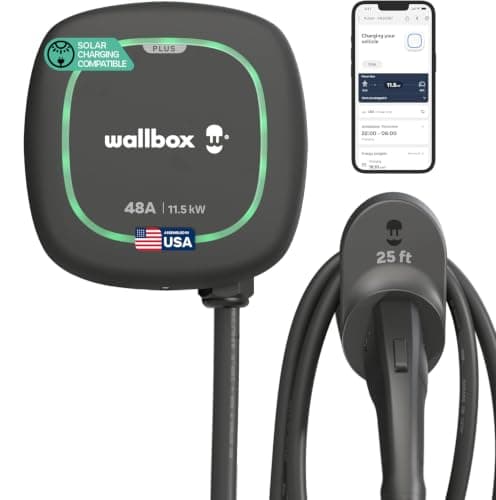
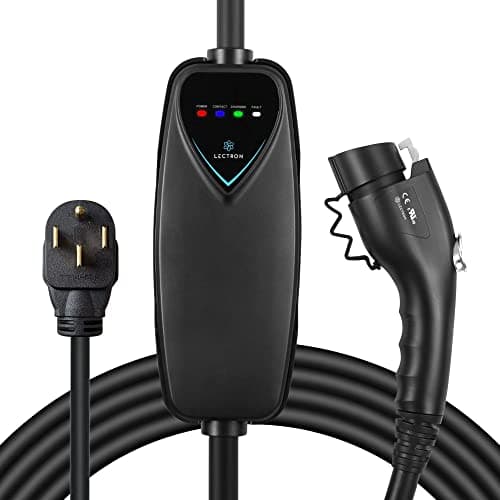
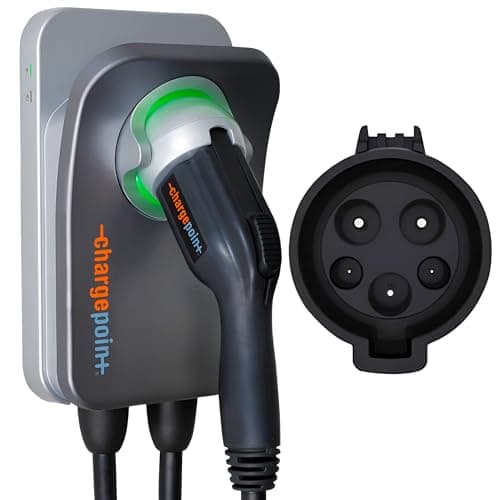
The best Emporia Pro alternative is the ChargePoint Home Flex, and it is for the buyer who wanted the Pro for its speed and app rather than its load management: its published output is adjustable up to 50 amps, it installs plugged in or hardwired, and it is Energy Star certified. The budget pick is the Lectron Level 2 (40A)— far less money, an ETL listing, a 14-50 plug and no app at all. If you specifically want a hardwired 48-amp box, the Wallbox Pulsar Plus is the closest match on output; if the Pro was on your list because of PowerSmart load management, read the section below before you substitute anything, because that is the one feature nothing else on this page reproduces.
Every price on this page is read from the live Amazon feed and stamped with its own date, so the ranking reflects what things cost today rather than what they cost when this page was written. We compile published manufacturer specs and safety listings, read the live listing, and do the circuit arithmetic; we have not bench-tested these units and we do not claim to have. Our research method sets out exactly what our scores are and are not. Where a maker does not publish a figure, we say so instead of filling it in. We may earn a commission.
Why people look for an Emporia Pro alternative
Three reasons, in the order we see them. The first is availability: Emporia's line moves in and out of stock on this channel, and on our most recent price check the Emporia Pro NACS, Emporia Level 2 and Emporia Level 2 NACS all had no buyable offer. A charger you cannot buy is not a shortlist candidate, however good it is.
The second is the hardwired-only install. The Pro is a hardwired 48-amp unit, which means an electrician, a 60-amp circuit and a charger that is not coming with you if you move. Plenty of buyers start with the Pro on a list and then realise a plug-in charger suits a rental, a first EV or a house they may sell. The third is simply price: the Pro sits at the upper end of the J1772 field, and two of the chargers on this page do most of what it does for less.
The alternatives, with live prices
| Emporia Pro alternative | Best for | Key specs (manufacturer) | Price |
|---|
| ChargePoint Home Flex | Buyers who want the established brand and app | Adjustable to 50A · J1772 · NEMA 14-50 plug · Energy Star | $599.00·Amazon |
| Wallbox Pulsar Plus (48A) | A compact, fast, hardwired install | Hardwired 48A / 11.5kW · J1772 · 25ft cable · Energy Star + UL | $689.99·Amazon |
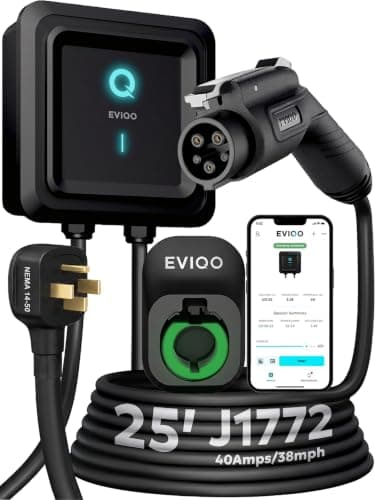
| EVIQO Level 2 (40A) | Budget-conscious buyers who still want smart features | 40A / 9.6kW · J1772 · 25ft cable · UL & ETL, IP66/NEMA 4 | $427.48·Amazon |
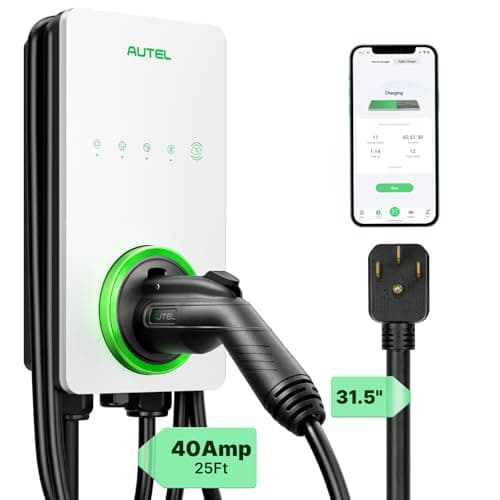
| Autel MaxiCharger (40A) | Feature-maximalists who want a tidy install | 40A / 9.6kW · J1772 · 25ft cable + holster · Wi-Fi + Bluetooth | $357.19·Amazon |
| Lectron Level 2 (40A) | A simple, inexpensive plug-in charger | 40A / 9.6kW · J1772 · NEMA 14-50 plug · ETL · 16ft extension | $246.49·Amazon |
#ad · Prices read live from the Amazon Product API as of November 24, 2026, and they move. Specs are the manufacturer's published claims from the live listing — we have not bench-measured them. Where we have no verified price we print none rather than a number that has gone stale. We may earn a commission.
The one thing you lose: PowerSmart load management
This is the part a straight spec comparison misses. The Emporia Pro's distinguishing feature is not 48 amps — several chargers do 48 amps. It is dynamic load management: the charger watches the rest of the house and reduces its own draw when other large loads come on, then goes back up when they stop. That is what lets a 48-amp charger live on a service that a load calculation says cannot support one.
If that is why the Pro was on your list, none of the five chargers here is a like-for-like replacement, and you should not pretend otherwise by setting a cheaper charger to a low fixed amperage and calling it the same thing. A fixed setting safe at dinner time is needlessly slow at 3am; dynamic management is the point. Our load-management roundup lists the units that actually do it, and our 100-amp panel page covers the situation that creates the need.
If, on the other hand, your panel has room and the attraction was the speed and the energy reporting, the substitution is easy and all five options here are honest answers. The ChargePoint Home Flex gets the nod because its adjustable range and its plug-or-hardwire flexibility cover more houses than anything else in the band.
Matching the Pro on the specs that matter
Output. The Pro is 48 amps, 11.5 kW, hardwired. The Wallbox Pulsar Plus matches that exactly. The ChargePoint Home Flex exceeds it on paper when hardwired. The Autel, EVIQO and Lectron units here are 40-amp plug-in boxes: 9.6 kW, roughly 30 miles of range per hour against roughly 36. For a household driving under 40 miles a day, that difference does not change a morning.
Install. If the quote you already have is for a hardwired 60-amp circuit, the Wallbox or the hardwired ChargePoint uses it fully. If no electrician has been booked yet, a plug-in 14-50 install is usually cheaper and more flexible; see the plug-in roundup.
Connector. Everything here is J1772. If your car has a Tesla-style port, the equivalent list is NACS chargers under $500 and best NACS home chargers; the Lectron Nexus is the closest plug-in equivalent on that side of the fence.
How we ranked them
On how closely each unit reproduces what an Emporia Pro buyer was actually buying: published amperage first, then install flexibility, then whether an app and energy reporting are present, then enclosure rating and cable length, then live price. We did not include the Emporia Pro itself — a substitutes page that ranks the thing being substituted is not answering the question. Our review of the Pro is where to go if you want the original assessment, and Emporia vs ChargePoint is the head-to-head.